

 English
 中文简体
中文简体 русский
 Español
 Author: Admin Date: 2026-07-24
Choosing the Right Utensil Holder Supplier
As kitchenware markets continue to evolve, buyers are paying closer attention to storage products that improve organization, durability, and user convenience. Whether for home kitchens, restaurants, hotels, or retail brands, utensil holders have become an important part of modern kitchen solutions. For companies searching for reliable Utensil Holder Manufacturers, the focus is no longer only on product appearance but also on production capability, material quality, customization options, and long-term supply stability. Understanding these factors helps importers and distributors make better sourcing decisions in a competitive market.
Functional Design Meets Changing Kitchen Requirements
Kitchen spaces are becoming more diverse, creating demand for utensil storage products with flexible designs. Consumers want solutions that keep cooking tools organized while saving countertop and drawer space. Commercial kitchens require storage products that support quick access and efficient workflow.
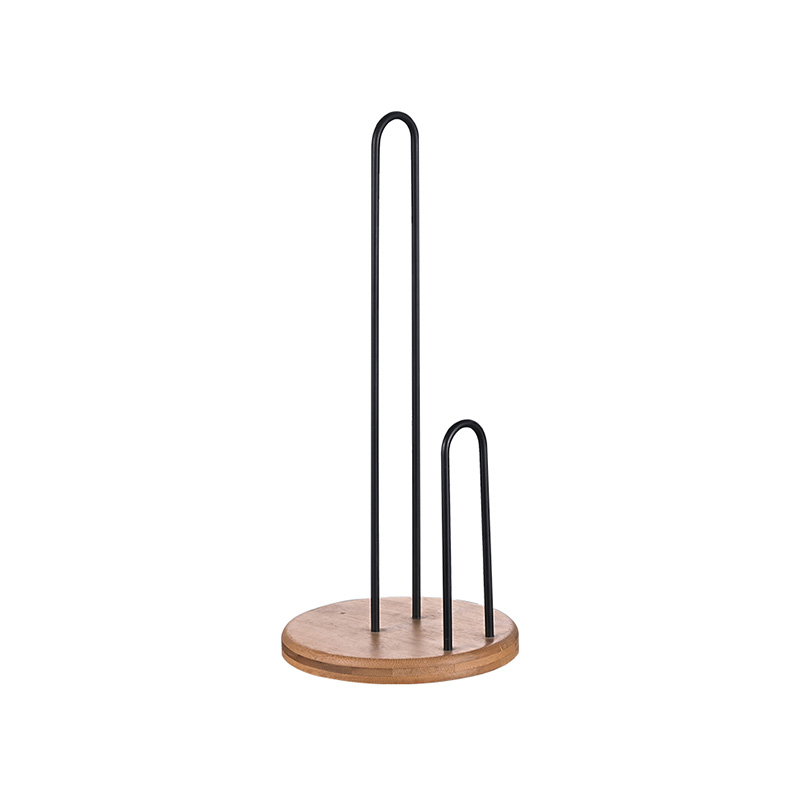
Manufacturers are developing different types of utensil holders to meet various applications, including countertop organizers, cutlery containers, rotating utensil racks, and customized storage systems. Each design serves different user needs, allowing brands to offer products suitable for different customer groups.
For buyers, selecting a supplier with strong product development experience can help ensure that the final product matches market expectations and practical usage requirements.
Why Material Quality Influences Product Performance
Material selection plays an important role in determining the service life and user experience of kitchen storage products. Buyers from different markets often have specific requirements related to appearance, maintenance, and durability.
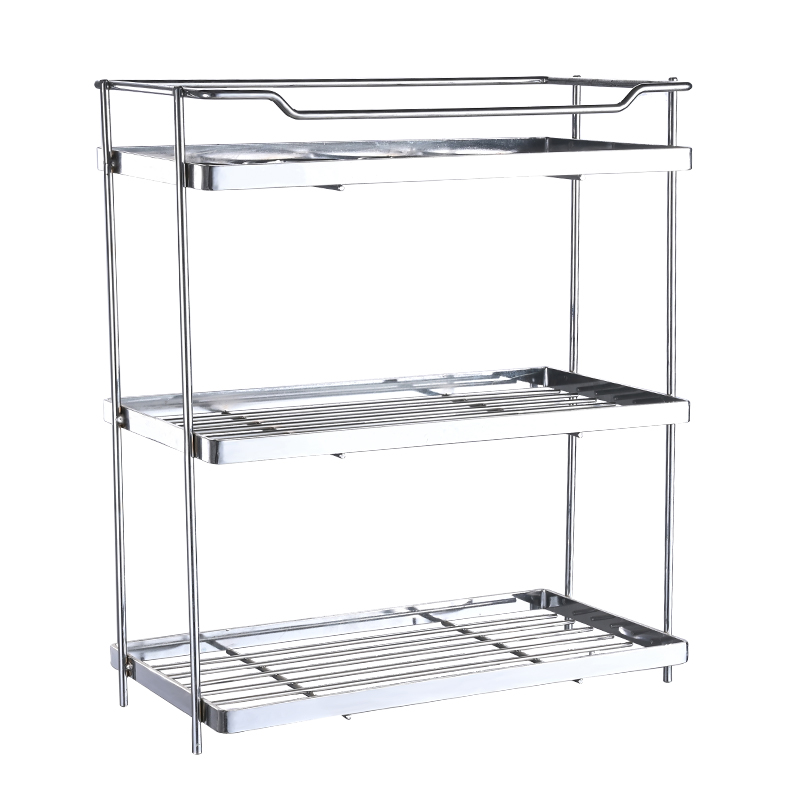
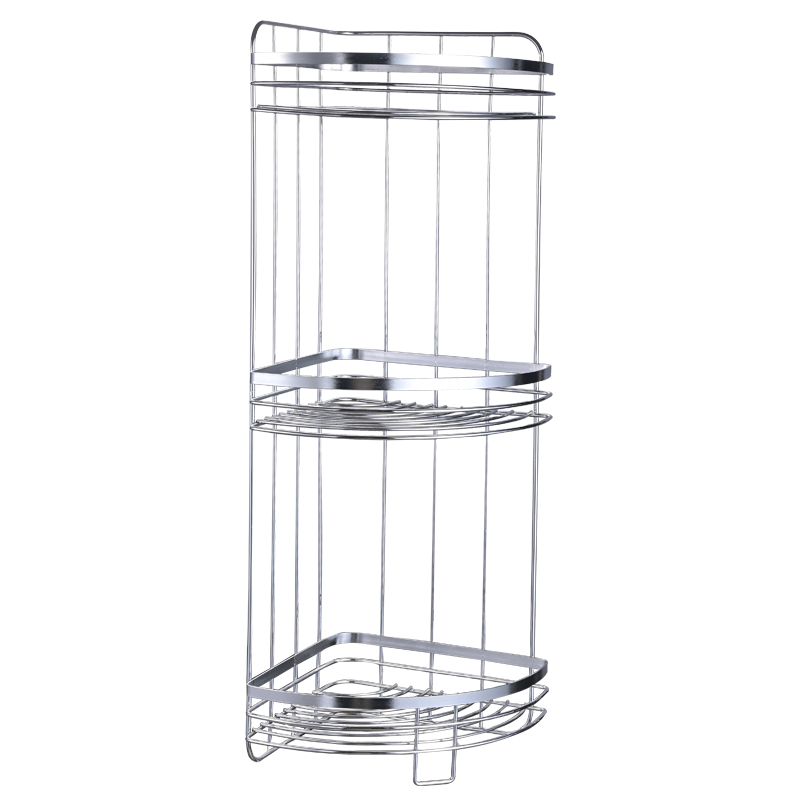
Stainless steel utensil holders are widely used in many kitchen environments because of their clean appearance and easy maintenance. Plastic options can provide lightweight solutions for mass-market products, while natural materials such as bamboo are often chosen for customers who prefer a warmer and more sustainable style.
Professional manufacturers evaluate material characteristics according to the intended application. This approach helps customers select suitable materials instead of simply focusing on cost.
Customization Helps Brands Build Market Identity
For kitchenware companies, offering unique products is an effective way to strengthen brand recognition. Standard products may not always meet the specific needs of different regions, retailers, or consumer groups.
Through OEM and ODM cooperation, buyers can customize product structures, colors, finishes, packaging, and functional details. For example, a retailer may require a compact utensil holder for small apartments, while a hospitality supplier may need larger capacity organizers for professional kitchens.
Manufacturers with integrated design and production capabilities can support customers from concept development to finished product delivery, making the sourcing process more efficient.
Production Capability and Quality Control Matter in Bulk Orders
When purchasing kitchen accessories in large quantities, buyers need confidence in production consistency. Quality differences between batches can affect brand reputation and customer feedback.
Experienced manufacturers establish quality inspection procedures throughout production, covering material checking, assembly accuracy, surface treatment, and final product evaluation. These processes help maintain stable product standards for international orders.
For wholesalers and distributors, working with a dependable utensil holder factory can reduce supply challenges and provide stronger support for expanding product lines.
Sustainable Kitchen Accessories Gain More Attention
Sustainability has become an important consideration for many global buyers. Retailers and brands are exploring products made with recyclable materials, durable structures, and designs that reduce unnecessary waste.
Kitchen storage products with longer service life can provide value for customers while supporting more responsible purchasing decisions. Manufacturers are also improving production methods and exploring material options that align with changing market preferences.
For businesses entering environmentally conscious markets, choosing suppliers that understand these trends can support future product development.
How Buyers Can Evaluate a Reliable Manufacturing Partner
Finding the right supplier requires a comprehensive evaluation beyond product samples. Buyers should consider manufacturing experience, customization support, communication efficiency, quality management, and production flexibility.
A capable partner should understand international market requirements and provide solutions that fit different sales channels, including online retail, supermarkets, kitchenware stores, and commercial supply businesses.
By working with professional Utensil Holder Manufacturers, global buyers can access customized kitchen storage solutions, stable production support, and products designed for practical everyday use. As kitchen organization trends continue to develop, reliable manufacturing partnerships will remain an important factor in creating competitive kitchenware products.

-
Feedback
CONTACT US
If You Need More Help, Let Us Know.
How can we help you,
contact us anytime.
- Send us a message
-
Call us
+86-15924212045
Quick Links
Products
Contact Info
-
Phone
+86-13616790777
-
Add
No. 176, Xinxin Road, Qianhang Village, Gushan Town, Yongkang City, Zhejiang Province, China
Copyright © Yongkang Haisong Household Products Co., Ltd. All Rights Reserved.

OEM Iron Wire Metal Storage Products