

 English
 中文简体
中文简体 русский
 Español
 Author: Admin Date: 2026-05-01
Extending Shelf Life: The Role of Antibacterial Coatings for Fruit Basket Manufacturers
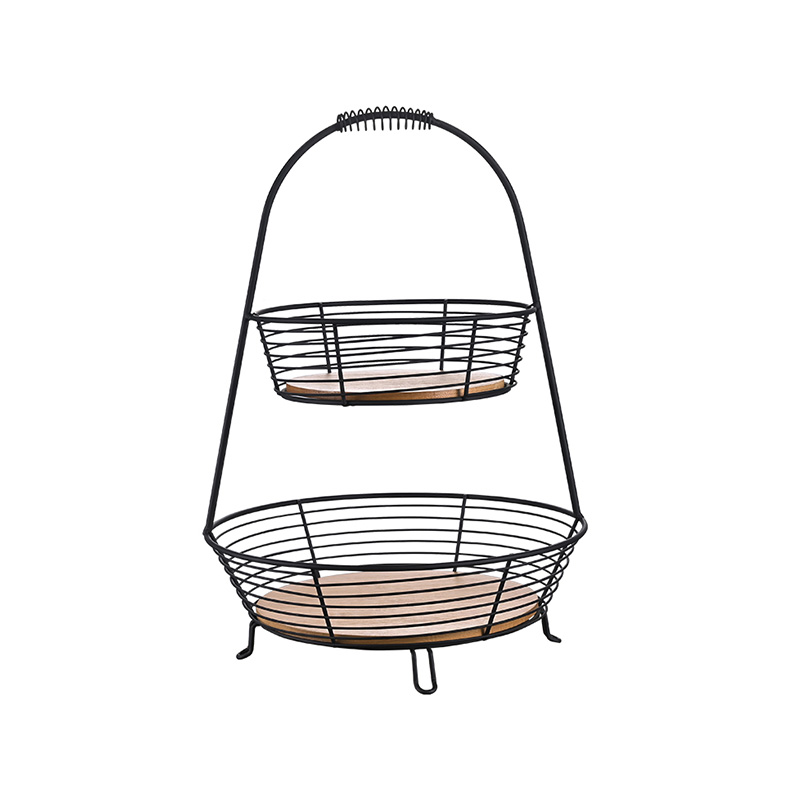
The interest in hygiene and food safety has grown among consumers worldwide. This trend has reached the fruit basket category, where some producers are exploring antibacterial coatings as a way to slow the growth of microorganisms on the basket surface. While a coated basket is not a replacement for proper fruit storage, it can contribute to a cleaner environment. Many Fruit Basket Manufacturers have introduced products with such treatments, focusing on the surfaces that come into direct contact with fruit.
How Antibacterial Coatings Work
Antibacterial coatings contain substances that interfere with the growth of bacteria, mold, or fungi. Common agents include silver ions, copper compounds, or certain organic materials like chitosan derived from shellfish. When applied to a basket’s surface — whether metal, plastic, or treated wood — these agents can reduce the number of microbes that settle on the material. The mechanism varies: silver ions can disrupt bacterial cell walls, while chitosan forms a film that limits microbial activity. Importantly, these coatings are designed to be safe for incidental food contact.
Which Materials Can Be Coated?
Different coating technologies work better on different base materials. Metal baskets can be treated with electroplated silver or copper layers, or with paint that contains antibacterial additives. Plastic baskets are often mixed with antibacterial agents during the molding process, so the property is present throughout the material, not just on the surface. Wicker and other natural fibers present a greater challenge because their porous surfaces absorb liquids unevenly. Some Fruit Basket Manufacturers apply a spray‑on coating to natural baskets, but the durability may be lower. For this reason, antibacterial treatments are more common on metal and plastic products.
Potential Benefits for Fruit Freshness
The link between a clean basket surface and fruit shelf life is indirect but meaningful. When fruits are placed in a basket, they may transfer moisture or small particles of skin. If the basket surface harbors mold spores or bacteria, those microorganisms can come into contact with the fruit. Over time, this can accelerate spoilage, especially on fruits with thin skins like tomatoes or peaches. A basket with an antibacterial coating does not actively preserve the fruit, but it reduces one potential source of contamination. In combination with good ventilation and proper temperature, this can help fruits stay appealing for a little longer.
Safety and Regulatory Considerations
Products intended for food contact must meet safety standards in different markets. In the European Union, materials that touch food are regulated to ensure that no harmful substances migrate into the food. In the United States, the Food and Drug Administration provides guidance on food contact substances. Fruit Basket Manufacturers who export to these regions typically ensure that their antibacterial coatings comply with relevant rules. Common requirements include migration tests that measure whether silver ions or other agents leach into food simulants. Certificates from recognized testing laboratories can assure buyers.
What Antibacterial Coatings Do Not Do
It is important to clarify the limits of this technology. An antibacterial coating does not make a basket self‑cleaning. Dirt, fruit juices, or visible mold should still be washed off with soap and water. The coating is not a substitute for basic hygiene. Moreover, the effectiveness of antibacterial surfaces decreases over time with wear and cleaning. A basket that is scratched or heavily used may lose its coating properties in certain areas. Fruit Basket Manufacturers often recommend gentle hand washing rather than abrasive scrubbers to prolong the coating’s life.
Market Acceptance and Buyer Questions
Buyers who are new to antibacterial baskets often ask how long the effect lasts and whether it is noticeable in daily use. Manufacturers typically respond by explaining that the coating provides an extra margin of cleanliness rather than a dramatic change. In sectors such as healthcare, hospitality, or food retail, where frequent handling of fruit baskets occurs, antibacterial features may be seen as a useful addition. For home users, the decision may come down to personal preference. Some Fruit Basket Manufacturers offer both coated and uncoated versions of the same basket model, allowing buyers to choose based on their needs and budget.

-
Feedback
CONTACT US
If You Need More Help, Let Us Know.
How can we help you,
contact us anytime.
- Send us a message
-
Call us
+86-15924212045
Quick Links
Products
Contact Info
-
Phone
+86-13616790777
-
Add
No. 176, Xinxin Road, Qianhang Village, Gushan Town, Yongkang City, Zhejiang Province, China
Copyright © Yongkang Haisong Household Products Co., Ltd. All Rights Reserved.

OEM Iron Wire Metal Storage Products