

 English
 中文简体
中文简体 русский
 Español
 Author: Admin Date: 2026-04-17
Metal or Wicker? A Look at How Fruit Basket Manufacturers Compare Durability Approaches
When choosing a fruit basket, durability is often a deciding factor for both retailers and end users. Two broad material families dominate the market: metal and wicker. Each has its own strengths and weaknesses, and Fruit Basket Manufacturers continue to refine both options to meet different usage scenarios. The competition is not about declaring one material better than the other, but about matching the right product to the right environment.
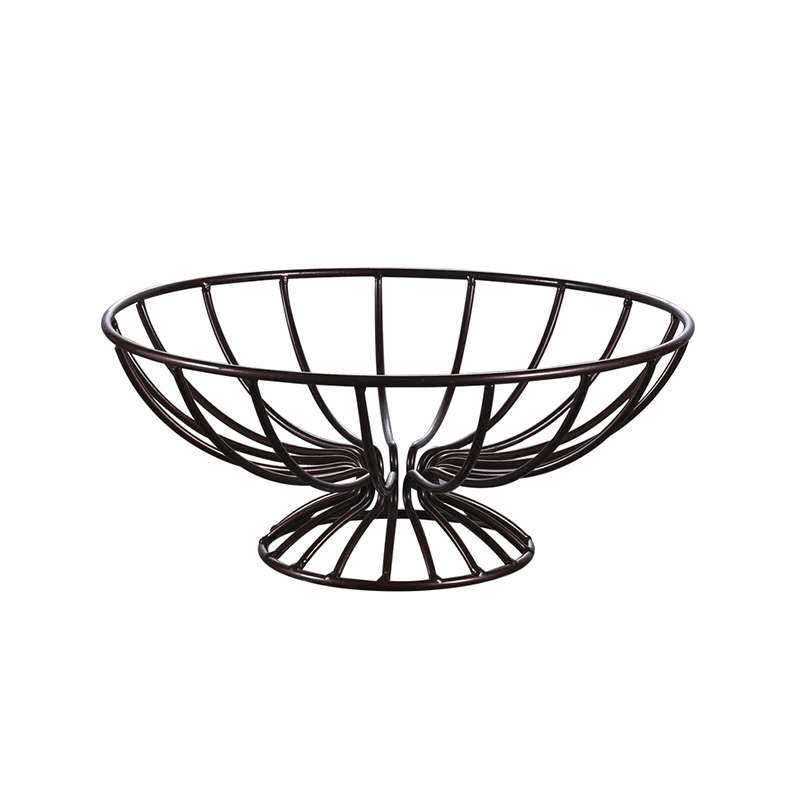
Characteristics of Metal Baskets
Metal fruit baskets are typically made from steel wire, sometimes coated with a protective layer. They resist moisture, do not absorb liquids, and are not attractive to insects. A metal basket can hold heavier fruits without deforming, and if the coating is intact, it will not rust. Cleaning is straightforward — a quick wipe or rinse is usually enough. On the other hand, metal baskets can feel cold to the touch, and sharp edges may appear if the welding or finishing is not careful. Some users find that metal baskets look less natural in a rustic kitchen setting.
Characteristics of Wicker Baskets
Wicker refers to a weaving process using natural materials such as rattan, willow, bamboo, or seagrass. These baskets have a warm, organic appearance that appeals to many buyers. They are lightweight and often handmade, giving each piece slight variations that some consider charming. However, wicker baskets are more sensitive to humidity. In damp conditions, they can absorb moisture, which may lead to mold or weakening of the fibers. They are also more prone to damage from rough handling or heavy loads. Some Fruit Basket Manufacturers treat wicker with water‑resistant coatings to improve its durability, but the material still requires more care than metal.
How Durability Is Measured in Practice
Durability depends on how the basket is used. In a commercial setting — such as a grocery store display where baskets are handled repeatedly by customers — metal tends to last longer because it does not crack or fray. In a home environment where baskets are used occasionally and kept indoors, wicker can remain in good condition for several years if properly maintained. Some Fruit Basket Manufacturers produce metal baskets with thicker wire for high‑traffic use, while others offer wicker baskets with reinforced rims and sealed surfaces for moderate use.
Hybrid Designs as a Middle Ground
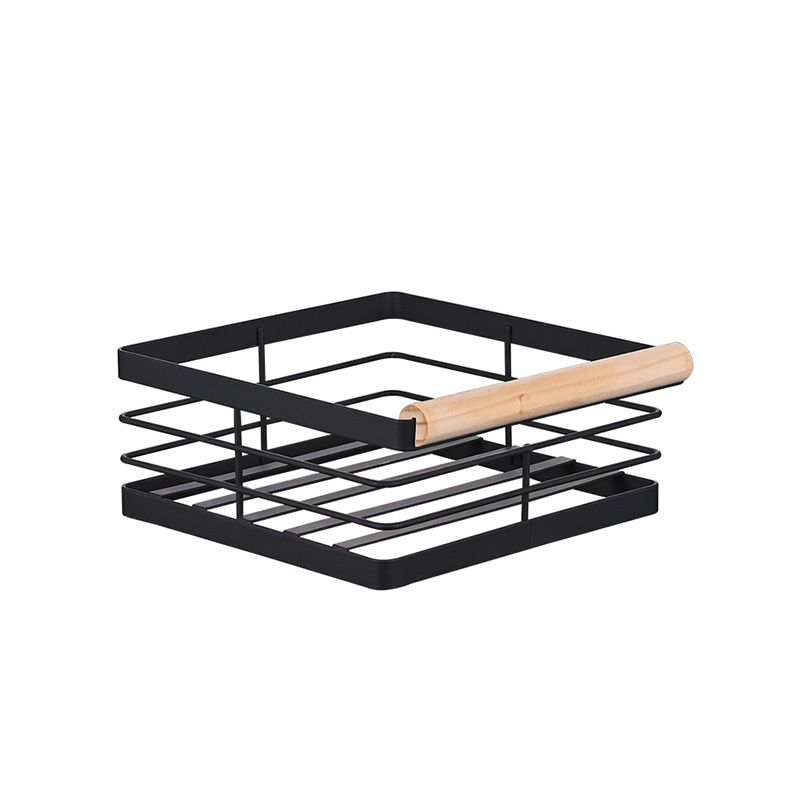
An emerging trend is the combination of metal and wicker. For example, a basket might have a metal frame that provides structural strength, with a wicker insert that provides a natural look. Another approach is a metal base with wicker sides, or a metal handle attached to a wicker body. These hybrid designs allow Fruit Basket Manufacturers to offer products that are both durable and visually appealing. The metal parts handle the stress, while the wicker parts provide texture and warmth. Buyers who cannot decide between the two materials often find hybrid options satisfactory.
Choosing Based on Destination Climate
The local climate plays a role in material choice. For regions with high humidity or frequent rain, metal baskets are generally more reliable. For dry, temperate climates, wicker performs well without special care. Some Fruit Basket Manufacturers advise their export customers to consider the storage conditions at the destination. A shipment of wicker baskets sent to a coastal city with high air moisture may need additional packaging or a protective coating. Metal baskets, by contrast, are less sensitive to climate, though they should still be protected from salt air to avoid coating damage.
User Preferences and Trends
In recent years, there has been renewed interest in natural materials, driven by a preference for sustainable and biodegradable products. Wicker fits this trend, especially when sourced from renewable plants. Metal baskets, while recyclable, require more energy to produce. However, metal offers a longer product life in many use cases, which can offset its initial environmental footprint. Fruit Basket Manufacturers often present both options clearly, allowing buyers to choose based on their priorities — longevity, appearance, or environmental impact.

-
Feedback
CONTACT US
If You Need More Help, Let Us Know.
How can we help you,
contact us anytime.
- Send us a message
-
Call us
+86-15924212045
Quick Links
Products
Contact Info
-
Phone
+86-13616790777
-
Add
No. 176, Xinxin Road, Qianhang Village, Gushan Town, Yongkang City, Zhejiang Province, China
Copyright © Yongkang Haisong Household Products Co., Ltd. All Rights Reserved.

OEM Iron Wire Metal Storage Products