

 English
 中文简体
中文简体 русский
 Español
 Author: Admin Date: 2026-07-03
Modern Kitchen Organization Trends Reshaping Demand for Utensil Storage Solutions
Utensil Holder Manufacturers are seeing a steady rise in global demand as both household users and commercial buyers prioritize kitchen organization, hygiene, and space efficiency. Across social media platforms like Instagram, Pinterest, and TikTok, kitchen organization hacks and minimalistic countertop setups are driving new purchasing behavior. Buyers are no longer only looking for basic storage—they expect durability, drainage efficiency, and aesthetic integration with modern kitchen interiors. This shift is pushing manufacturers to rethink design, materials, and functionality to meet evolving expectations from global B2B and retail markets.
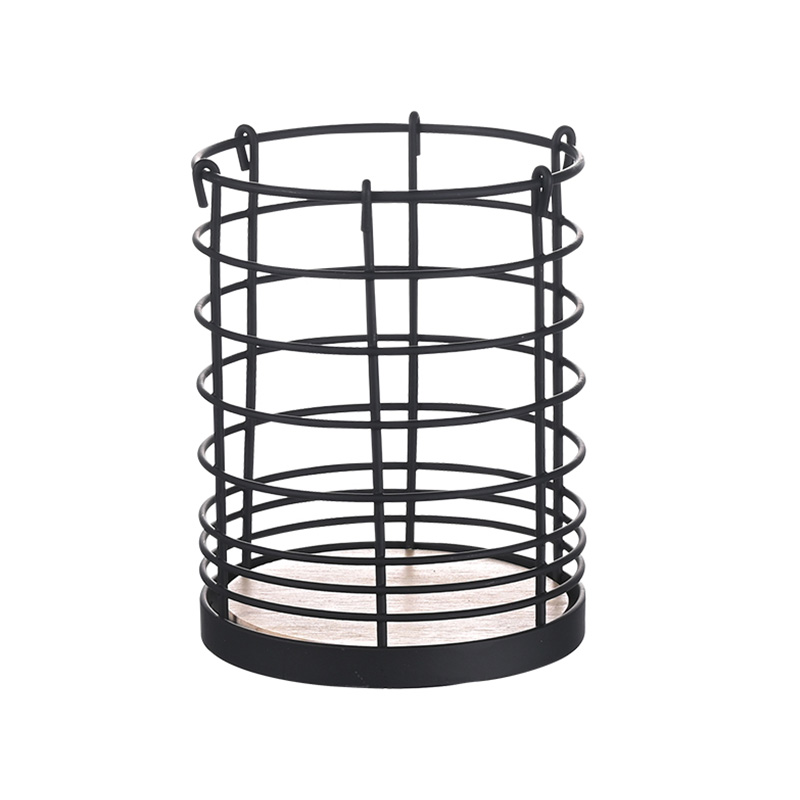
Rising Demand Driven by Kitchen Organization Culture
The growing popularity of “clean countertop” lifestyles has significantly influenced purchasing decisions. Consumers and professional buyers are actively searching for utensil storage products that reduce clutter while maintaining easy access in daily cooking environments. In commercial settings such as cafés and cloud kitchens, organization directly impacts workflow efficiency. As a result, buyers now prioritize utensil holders that support structured storage, fast cleaning, and improved kitchen ergonomics.
Material Selection Focused on Durability and Hygiene
Modern buyers are increasingly attentive to materials that ensure long-term durability and food-safe hygiene. Stainless steel, BPA-free plastics, and anti-rust coatings are commonly requested in sourcing inquiries. Ventilation and drainage structures are also becoming standard requirements to prevent moisture buildup. For manufacturers, balancing cost efficiency with performance materials is essential to meet both retail and foodservice industry standards.
Space-Saving Designs for Compact Living Environments
Urban housing trends, especially in Europe and North America, are driving demand for compact kitchen accessories. Multi-slot utensil holders, wall-mounted designs, and rotating storage units are gaining attention from distributors and e-commerce brands. These solutions are particularly attractive to apartment residents where counter space is limited. Buyers often search for “small kitchen utensil organizer” or “space-saving cutlery holder wholesale” to meet this growing niche.
Hygiene and Drainage Features Becoming a Key Buying Factor
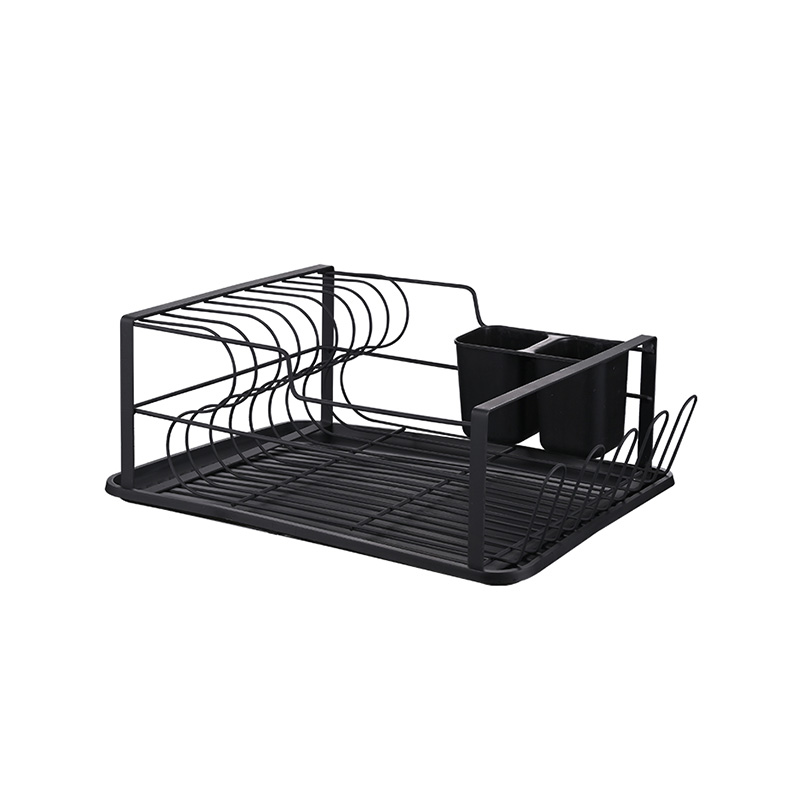
Recent discussions across home improvement communities highlight the importance of hygiene-focused kitchen tools. Wet utensils stored in poorly designed holders can lead to bacteria growth, which is a major concern for both households and commercial kitchens. Buyers now actively evaluate drainage trays, removable bases, and airflow designs. Manufacturers that integrate easy-clean structures are gaining stronger acceptance in procurement decisions.
Customization Demand from E-commerce and Private Label Brands
E-commerce expansion has led to increased demand for OEM and ODM services. Amazon sellers, kitchenware brands, and retail chains are seeking customized utensil holders with unique branding, colors, and packaging. Common search terms include “private label utensil holder suppliers” and “custom kitchen organizer manufacturers.” Flexible production capabilities and low MOQ options are becoming key competitive advantages in this segment.
Commercial Kitchen Requirements and Bulk Procurement Trends
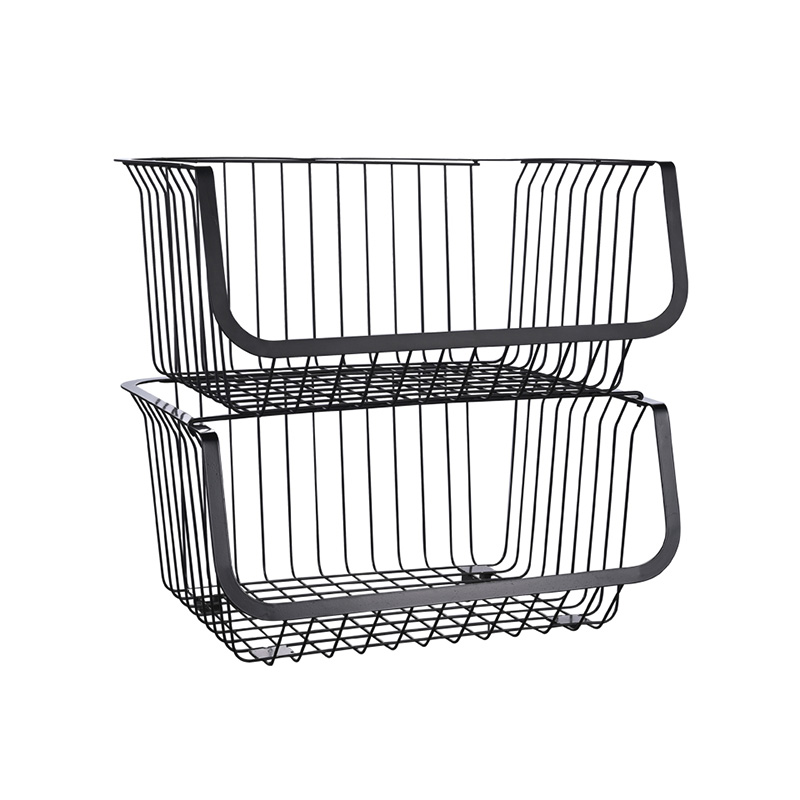
In restaurant and catering environments, utensil storage must withstand heavy daily use while maintaining cleanliness standards. Bulk procurement buyers focus on durability, ease of cleaning, and structural stability. Stackable or modular designs are often preferred to streamline kitchen workflows. These commercial requirements are shaping product development priorities across global supply chains.
Manufacturing Quality Control and Global Supply Stability
Consistency in production quality remains a top concern for international buyers. They expect stable lead times, strict inspection processes, and compliance with regional safety standards. Manufacturers who invest in automated production lines and multi-stage quality checks are better positioned to serve long-term B2B partnerships. Transparency in sourcing and production also plays a growing role in supplier selection.
As global demand continues to evolve, Utensil Holder Manufacturers that focus on functionality, hygiene innovation, and adaptable design will remain competitive in both retail and commercial markets.

-
Feedback
CONTACT US
If You Need More Help, Let Us Know.
How can we help you,
contact us anytime.
- Send us a message
-
Call us
+86-15924212045
Quick Links
Products
Contact Info
-
Phone
+86-13616790777
-
Add
No. 176, Xinxin Road, Qianhang Village, Gushan Town, Yongkang City, Zhejiang Province, China
Copyright © Yongkang Haisong Household Products Co., Ltd. All Rights Reserved.

OEM Iron Wire Metal Storage Products