

 English
 中文简体
中文简体 русский
 Español
 Author: Admin Date: 2026-01-23
Over Door Hook Factory: Overview of Installation Types and Door Compatibility
Over Door Hook Factory design processes place significant emphasis on installation methods and door compatibility, as these two factors directly influence product competitiveness and user satisfaction. Ease of installation plays a central role in consumer decision-making, particularly in rental spaces, offices, or households where permanent fixtures are not preferred or permitted, making non-destructive solutions a top priority.
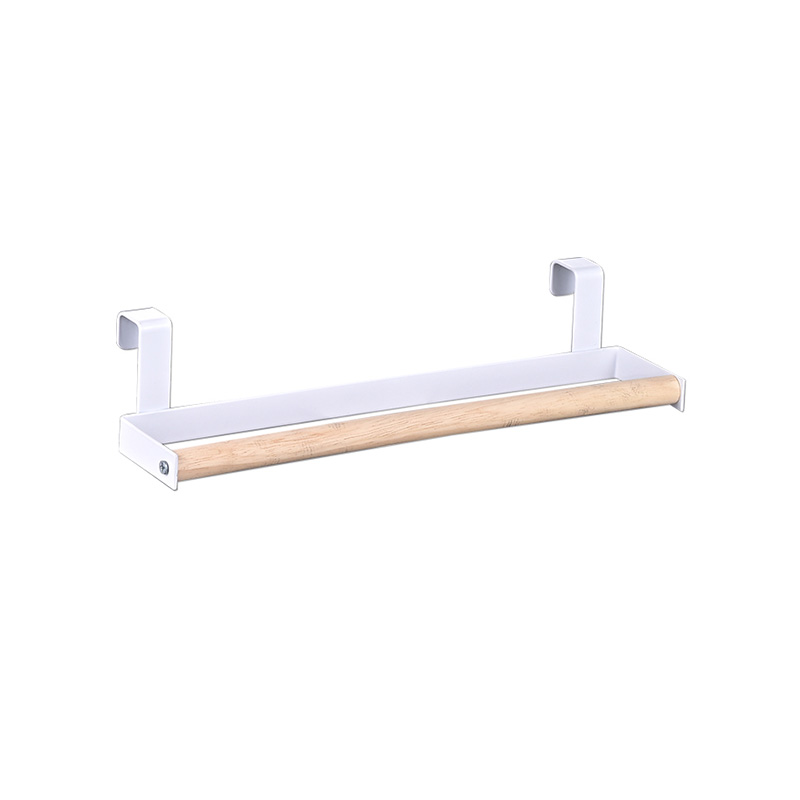
Common Installation Approaches
Door hooks are commonly designed for non-invasive installation, allowing quick placement without the need for drilling, nail driving, or adhesive bonding. This user-centric approach not only helps preserve the integrity of door surfaces—avoiding unsightly holes or residue—but also offers immediate usability, enabling consumers to set up and use the product right out of the box. The hook frame is precisely shaped to rest securely over the door edge, with a balanced weight distribution that ensures stability without hindering the door’s opening and closing movement.
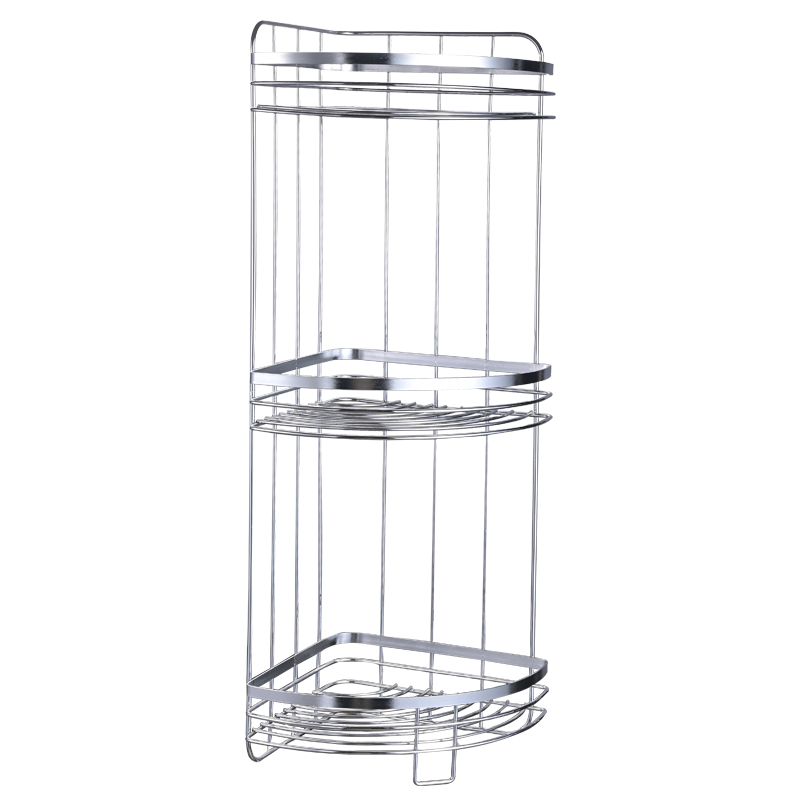
Similar installation logic is employed in hanging storage products from a Shower Caddy Factory, where secure placement must coexist with easy removal to facilitate cleaning or repositioning. This cross-industry design consistency reflects a shared focus on user convenience across bathroom and entryway storage categories.
Door Thickness and Surface Protection
Compatibility with different door thicknesses is a critical design consideration for over-door hook manufacturers, as residential and commercial doors typically range from 3cm to 5cm in thickness. To accommodate this variation, hooks may feature flat, reinforced backing or soft protective padding—often made of EVA foam or rubber—to prevent scratches, scuffs, and reduce rattling noise during daily door use. These small but essential features help maintain the door’s original condition while ensuring the hook remains stable even when holding maximum load capacity.
Such surface protection techniques are also widely applied to shower storage systems, reinforcing cross-category consistency in product development and underscoring a commitment to preserving both the product and the surrounding environment.
Adjustable and Fixed Structures
To cater to diverse user needs, some over-door hook designs integrate adjustable components—such as telescopic frames or sliding hooks—that can be fine-tuned to fit varying door dimensions and edge profiles. Others rely on fixed structures, which offer enhanced durability and shape consistency, ideal for scenarios where the door size is standard and long-term stability is prioritized. Both approaches serve distinct market preferences: adjustable models appeal to flexible users and rental spaces, while fixed structures are favored for permanent home use or high-load applications.
Feedback from buyers and end-users, collected through post-purchase surveys and retail partnerships, often guides which structures receive broader adoption in future production cycles, ensuring alignment with real-world usage demands.
User Experience and Practical Considerations
Ease of use extends beyond installation to encompass daily interaction: smooth, rounded edges prevent snags on clothing or bags, balanced spacing between hooks maximizes storage efficiency without overcrowding, and intuitive placement—such as ergonomic height positioning—enhances accessibility. These elements are evaluated alongside visual compatibility, ensuring the hooks complement surrounding storage solutions (e.g., coat racks, shoe cabinets) to create a cohesive organizational system.
Ultimately, installation simplicity and door compatibility remain defining factors in door hook product selection. Through thoughtful design and strategic alignment with related storage systems—including those produced by a Shower Caddy Factory—manufacturers continue to deliver user-friendly organization solutions that balance functionality, aesthetics, and respect for the user’s space.

-
Feedback
CONTACT US
If You Need More Help, Let Us Know.
How can we help you,
contact us anytime.
- Send us a message
-
Call us
+86-15924212045
Quick Links
Products
Contact Info
-
Phone
+86-13616790777
-
Add
No. 176, Xinxin Road, Qianhang Village, Gushan Town, Yongkang City, Zhejiang Province, China
Copyright © Yongkang Haisong Household Products Co., Ltd. All Rights Reserved.

OEM Iron Wire Metal Storage Products