

 English
 中文简体
中文简体 русский
 Español
 Author: Admin Date: 2026-05-26
Paper Towel Holder Pain Points: Stability, Rust, and Sticky Pad Failures
Kitchen accessories are expected to support convenience and organization during daily routines. A well-designed Paper Towel Holder can help keep paper towels accessible while reducing countertop clutter. However, many users experience common problems after regular use, especially related to stability, rust, and adhesive performance.
As kitchens become more focused on efficient storage and cleaner layouts, consumers are paying closer attention to durability and installation quality. Problems such as wobbly holders, corroded surfaces, and weakened sticky pads are frequently mentioned when comparing paper towel holder designs.
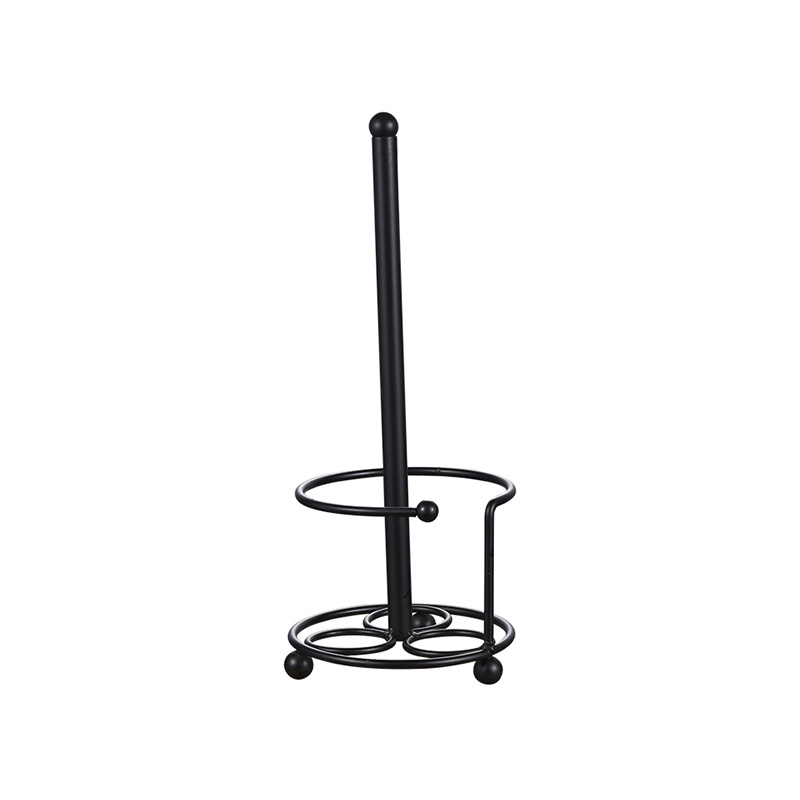
Stability Problems During Daily Use
One of the most common complaints is instability. Some paper towel holders slide, tilt, or wobble when users try to tear paper towels with one hand.
Lightweight bases are often responsible for this issue. Holders with narrow support structures may struggle to remain steady during repeated pulling. Larger paper towel rolls can also increase movement because of additional weight and rotation force.
Many users now look for features such as weighted bases, non-slip pads, and reinforced mounting systems to improve stability during daily kitchen activities.
Wall-Mounted Holders May Become Loose
Wall-mounted and under-cabinet paper towel holders can also develop movement problems over time. Frequent use may gradually loosen screws, brackets, or support arms.
Humidity and temperature changes inside kitchens may affect mounting performance as well. In some cases, repeated pulling can weaken installation points and create small gaps between the holder and the mounting surface.
Regular inspection and tightening of hardware can help reduce these problems.
Rust Is a Common Concern in Kitchens
Kitchen environments often expose accessories to moisture, cooking steam, and cleaning liquids. Because of this, rust resistance has become an important factor for many households.
Metal paper towel holders made with lower-quality coatings may develop discoloration or surface corrosion after long-term exposure to humidity. Rust can affect appearance and may also make cleaning more difficult.
Stainless steel holders are commonly selected because they are easier to maintain and more resistant to moisture-related damage.
Adhesive Pad Failures Create Frustration
No-drill adhesive paper towel holders are widely used in apartments and rental homes. Although installation is convenient, adhesive systems may weaken over time.
Sticky pads can lose grip because of grease, steam, water exposure, or uneven surfaces. In some kitchens, holders may slowly shift position or detach completely after repeated use.
Improper installation is another common reason for adhesive failure. Many users now clean and dry surfaces carefully before applying adhesive mounts to improve attachment strength.
Surface Compatibility Matters
Not every kitchen surface works well with adhesive holders. Smooth materials such as tile, glass, and metal usually support better attachment, while textured walls and unfinished wood may reduce adhesive contact.
Some users install holders near stoves or sinks where heat and moisture are more common. These conditions may affect long-term adhesive performance.
Checking surface compatibility before installation can help reduce future problems.
Material Selection Influences Durability
Paper towel holders are available in stainless steel, plastic, aluminum, and wooden designs. Material choice affects not only appearance but also stability and maintenance requirements.
Plastic holders are lighter and easier to move, although some models may shift during use. Wooden holders are often selected for decorative kitchens, while stainless steel designs are commonly preferred for moisture resistance and easier cleaning.
Users frequently compare material durability when choosing kitchen accessories for long-term use.
Easy Maintenance Is Important
Kitchen accessories are exposed to grease, fingerprints, and moisture every day. Holders that are difficult to clean may become less appealing over time.
Smooth surfaces and simple structural designs are often easier to wipe clean. Some users also prefer rust-resistant finishes that maintain appearance with regular kitchen use.
Routine cleaning and checking installation points can help extend product usability.
Users Continue to Prioritize Reliable Designs
As kitchen organization products become part of everyday living, users continue to focus on stability, durability, and installation reliability. A paper towel holder that remains secure, resists moisture exposure, and supports convenient daily use can contribute to a cleaner and more organized kitchen environment.

-
Feedback
CONTACT US
If You Need More Help, Let Us Know.
How can we help you,
contact us anytime.
- Send us a message
-
Call us
+86-15924212045
Quick Links
Products
Contact Info
-
Phone
+86-13616790777
-
Add
No. 176, Xinxin Road, Qianhang Village, Gushan Town, Yongkang City, Zhejiang Province, China
Copyright © Yongkang Haisong Household Products Co., Ltd. All Rights Reserved.

OEM Iron Wire Metal Storage Products