

 English
 中文简体
中文简体 русский
 Español
 Author: Admin Date: 2026-05-15
Why Your Paper Towel Holder Wobbles and How to Fix It
A Paper Towel Holder is a common kitchen accessory, but many users experience frustration when the holder moves, tilts, or slides during use. Wobbling can interrupt cooking tasks, make paper tearing difficult, and reduce overall kitchen convenience. As more households focus on organized and efficient kitchens, stability has become an important factor when choosing paper towel holders.
Several common causes can lead to wobbling, including lightweight construction, loose installation, uneven surfaces, and weak adhesive systems.
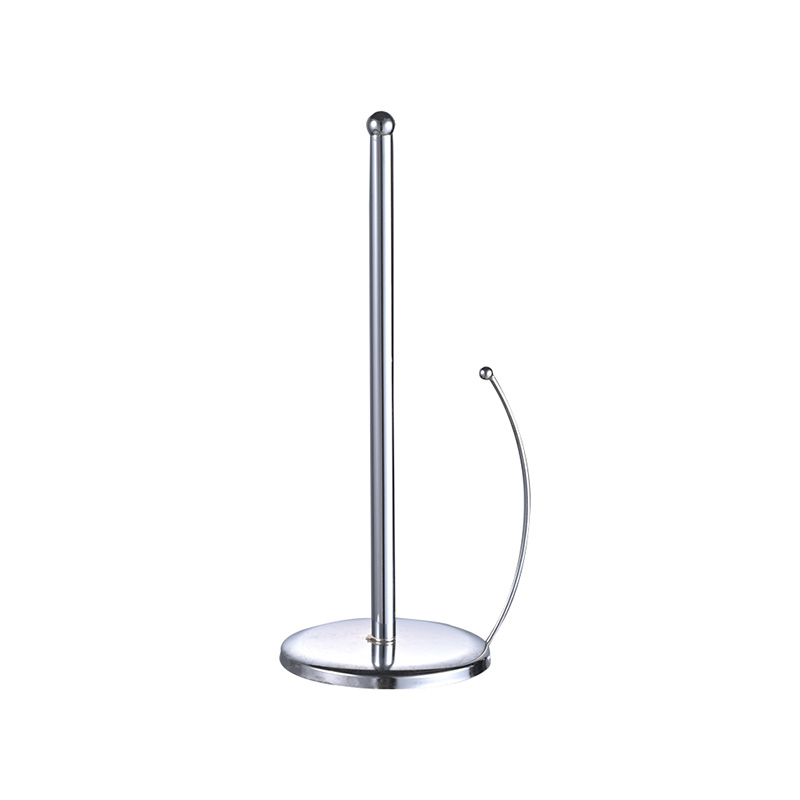
Lightweight Holders Often Move During Use
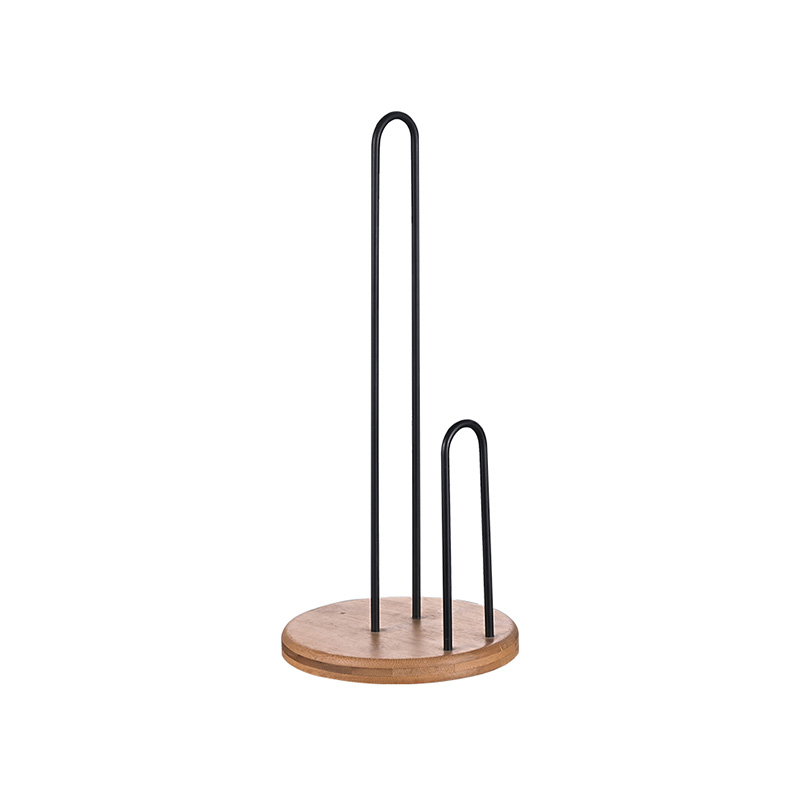
One of the main reasons a paper towel holder wobbles is insufficient weight. Some countertop models have narrow or lightweight bases that cannot remain stable when users pull paper towels quickly.
This problem becomes more noticeable when larger paper towel rolls are installed. The additional weight may shift the balance of the holder and increase movement during tearing.
Many users now prefer holders with weighted bases or wider bottom structures for improved support.
Uneven Countertops Can Affect Stability
Kitchen countertops are not always perfectly level. Small surface differences may cause a paper towel holder to rock slightly during use.
Grease, moisture, or dust on the countertop can also reduce grip underneath the holder. As a result, the holder may slide when users try to tear paper towels with one hand.
Rubber feet and anti-slip pads are commonly used to reduce unwanted movement and improve contact with the surface.
Loose Mounting Hardware Causes Wobbling
Wall-mounted and under-cabinet paper towel holders may become unstable when screws or brackets loosen over time. Frequent pulling can gradually affect mounting strength, especially in kitchens with humidity and temperature changes.
Checking screws regularly and tightening loose components can help maintain stability and reduce movement.
Adhesive Holders May Lose Grip
No-drill adhesive holders are popular because installation is simple and does not damage walls. However, adhesive systems may weaken when exposed to steam, water, or textured surfaces.
Improper installation can also reduce performance. Surfaces should be clean and dry before mounting adhesive holders. Many users also wait several hours before placing paper towel rolls on the holder to improve attachment strength.
Roll Size Makes a Difference
Some paper towel holders are designed mainly for standard roll sizes. Larger household rolls may create additional pressure on the holder and increase wobbling.
Before purchasing, many users check roll compatibility to avoid fitting problems later. Holders with stronger support structures are often preferred for larger roles.
Material Selection Affects Performance
The material of a paper towel holder can influence both stability and durability. Stainless steel models are commonly chosen because they provide additional weight and resist moisture exposure.
Plastic holders are lighter and easier to reposition, although some models may slide more during use. Wooden holders are often selected for decorative purposes but still depend on good structural design for stability.
One-Handed Tearing Is Important
Many users want to tear paper towels with one hand while cooking or cleaning. A holder that moves too easily can make this difficult.
Features such as non-slip bottoms, weighted construction, and smooth roll movement can improve daily convenience. Stable designs also help create a more organized kitchen experience.
Regular Maintenance Helps
Over time, grease, moisture, and daily use may affect the holder's performance. Cleaning the base and checking mounting systems regularly can help reduce stability issues.
Replacing worn adhesive pads or tightening loose hardware early may also extend product usability.
Stability Improves Everyday Kitchen Use
A stable paper towel holder supports smoother cooking and cleaning routines. Simple improvements such as stronger mounting systems, better placement, and anti-slip materials can reduce wobbling and improve convenience in compact kitchens.

-
Feedback
CONTACT US
If You Need More Help, Let Us Know.
How can we help you,
contact us anytime.
- Send us a message
-
Call us
+86-15924212045
Quick Links
Products
Contact Info
-
Phone
+86-13616790777
-
Add
No. 176, Xinxin Road, Qianhang Village, Gushan Town, Yongkang City, Zhejiang Province, China
Copyright © Yongkang Haisong Household Products Co., Ltd. All Rights Reserved.

OEM Iron Wire Metal Storage Products