

 English
 中文简体
中文简体 русский
 Español
 Author: Admin Date: 2026-07-27
How Customized Utensil Holders Help Kitchenware Brands Improve Product Competitiveness
The global kitchenware market is experiencing continuous changes as consumers and businesses look for products that combine practical functions with attractive designs. Kitchen organization has become an important purchasing factor, especially for customers who want cleaner and more efficient cooking spaces. For distributors, retailers, and brand owners, working with professional Utensil Holder Manufacturers provides access to customized solutions that match different market demands. From material selection to structural design, manufacturers play an important role in helping businesses create kitchen storage products with better market value.
Kitchen Organization Trends Create New Product Opportunities
As living spaces become more compact, efficient storage solutions are gaining attention from both household users and commercial buyers. Traditional kitchen layouts often face challenges such as limited countertop areas, crowded drawers, and difficult access to frequently used cooking tools.
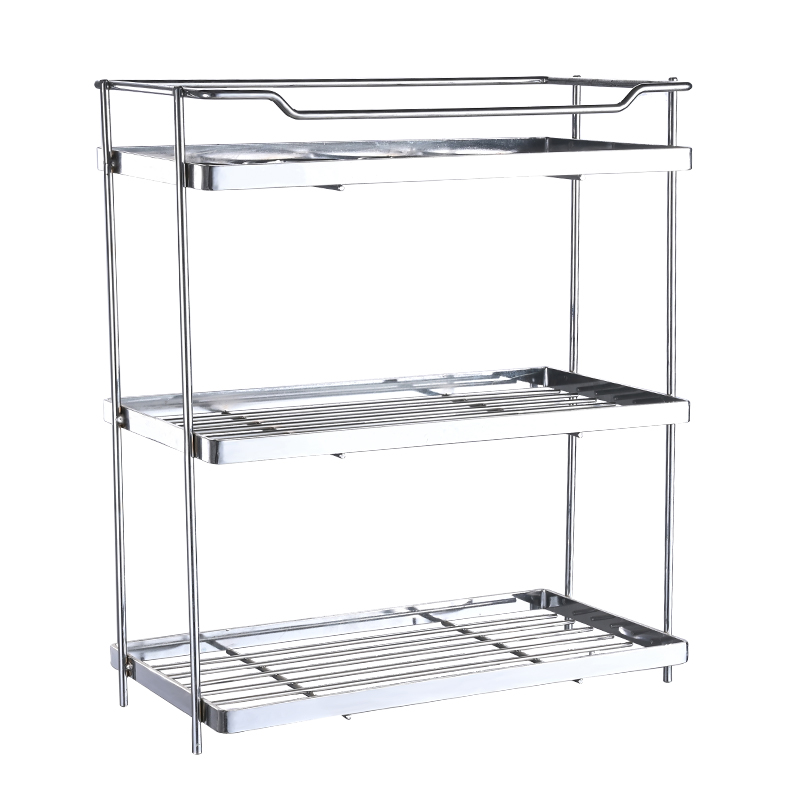
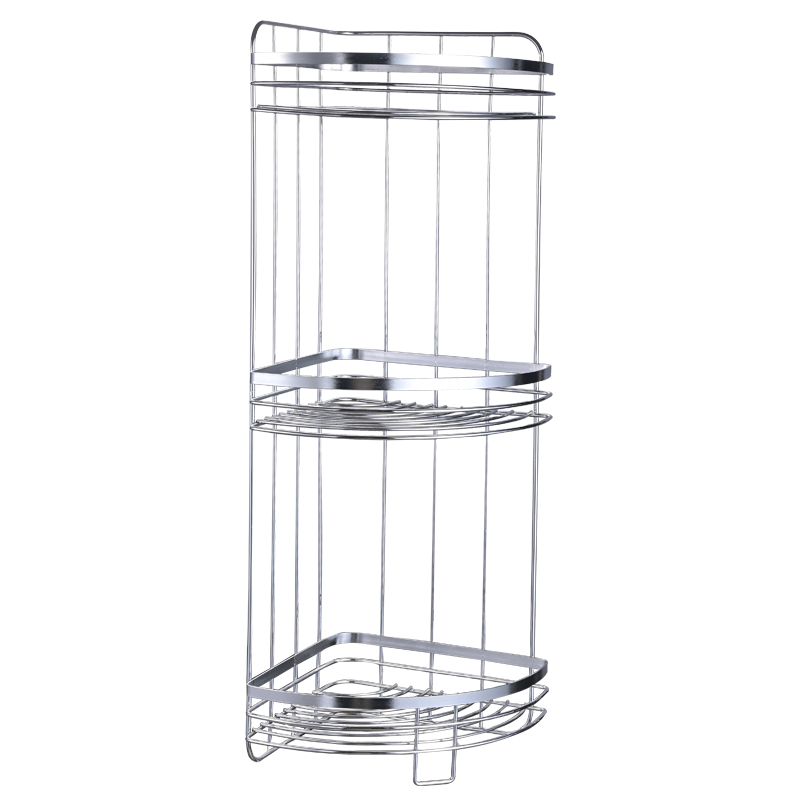
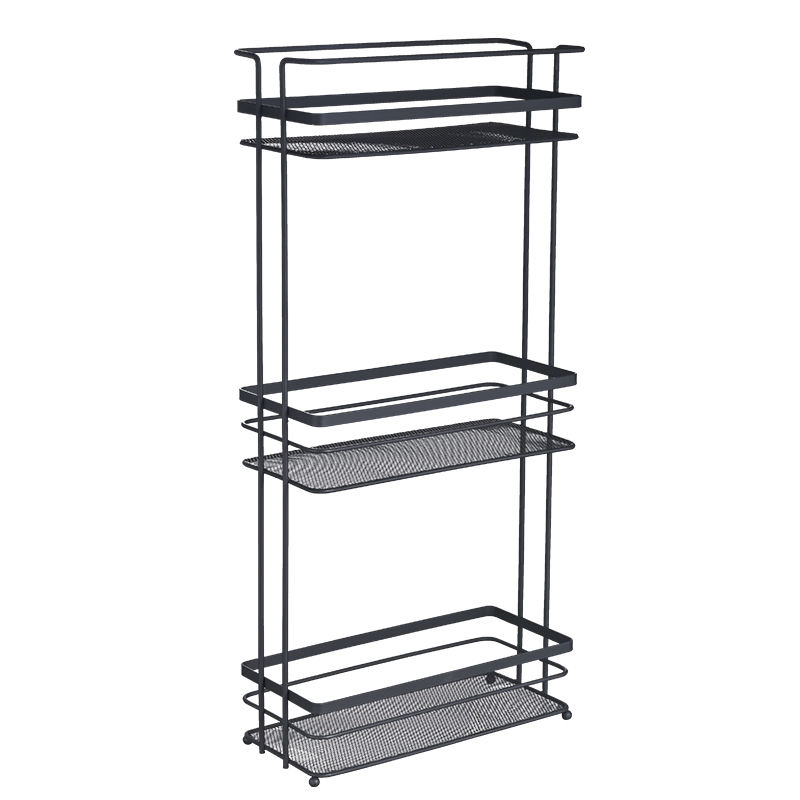
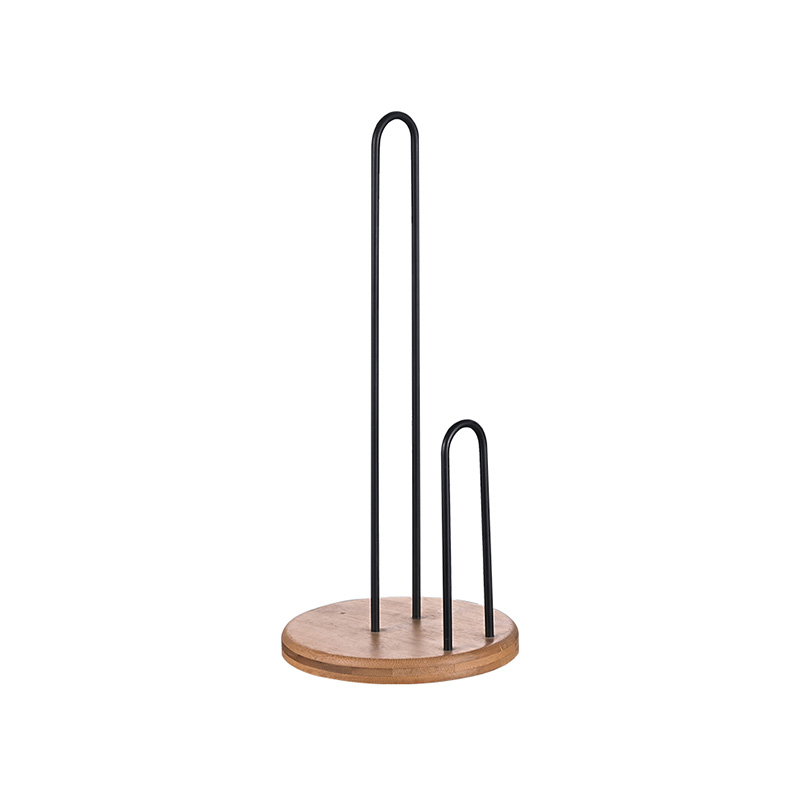
Utensil holders provide a simple solution by keeping spoons, spatulas, knives, and other kitchen tools organized in one accessible location. For retailers and wholesalers, offering different styles of kitchen utensil organizers can help meet the needs of various customer groups, including apartment residents, professional chefs, restaurants, and hospitality businesses.
Manufacturers with market experience can help buyers identify suitable designs according to application scenarios and regional preferences.
Product Design Should Balance Function and Appearance
Modern buyers are not only looking for storage products that work well but also products that fit contemporary kitchen aesthetics. A utensil holder is often placed in a visible area, making its appearance an important part of the overall kitchen environment.
Design elements such as capacity, shape, stability, drainage structure, and surface finish can influence user satisfaction. For example, a rotating utensil holder may improve accessibility in busy kitchens, while a compact organizer may be more suitable for smaller households.
Professional manufacturers focus on combining practical functions with visual appeal, allowing brands to develop products that attract customers while solving everyday storage problems.
Material Options Support Different Market Positioning
Different markets have different expectations for kitchen accessories. Some buyers focus on affordability and lightweight designs, while others prefer durable materials with premium appearances.
Common materials for utensil holders include stainless steel, plastic, bamboo, and other composite materials. Stainless steel options are often selected for their durability and easy maintenance, making them suitable for commercial and high-use environments. Bamboo designs can appeal to customers who prefer natural styles, while plastic products may provide flexible solutions for large-volume retail markets.
Experienced suppliers can recommend suitable materials based on target customers, sales channels, and product positioning.
OEM and ODM Services Create Flexible Business Solutions
Many kitchenware companies are seeking more than ready-made products. They want partners who can support product customization and help develop unique collections.
OEM and ODM services allow businesses to adjust product specifications, colors, packaging, logos, and functional details. This flexibility is valuable for brands that want to create differentiated products or respond quickly to market trends.
A capable utensil holder supplier should provide support throughout the development process, from initial design discussions to production and quality inspection.
Quality Control Ensures Reliable Bulk Supply
For international buyers, consistent quality is a major concern when placing large orders. Product defects, inconsistent finishes, or packaging issues can affect customer reviews and business reputation.
Manufacturers with established quality management systems can monitor production at different stages, including incoming materials, manufacturing processes, assembly, and final inspection. This approach helps ensure that each shipment meets customer expectations.
Reliable production management also allows distributors and retailers to maintain stable inventory and support long-term market expansion.
Choosing a Manufacturing Partner for Long-Term Growth
Selecting a supplier is an important decision for companies building kitchenware product lines. Buyers should evaluate manufacturing experience, customization ability, communication efficiency, and production resources before starting cooperation.
A professional partner can provide not only products but also technical support and market-oriented suggestions that help improve product development efficiency.
By cooperating with experienced Utensil Holder Manufacturers, global kitchenware brands and distributors can develop customized storage solutions that meet changing consumer needs. As kitchen organization continues to influence purchasing decisions, manufacturers with strong design and production capabilities will remain valuable partners for businesses seeking sustainable growth.

-
Feedback
CONTACT US
If You Need More Help, Let Us Know.
How can we help you,
contact us anytime.
- Send us a message
-
Call us
+86-15924212045
Quick Links
Products
Contact Info
-
Phone
+86-13616790777
-
Add
No. 176, Xinxin Road, Qianhang Village, Gushan Town, Yongkang City, Zhejiang Province, China
Copyright © Yongkang Haisong Household Products Co., Ltd. All Rights Reserved.

OEM Iron Wire Metal Storage Products