

 English
 中文简体
中文简体 русский
 Español
 Author: Admin Date: 2026-08-24
Better Dish Drying Starts With Smarter Rack Organization
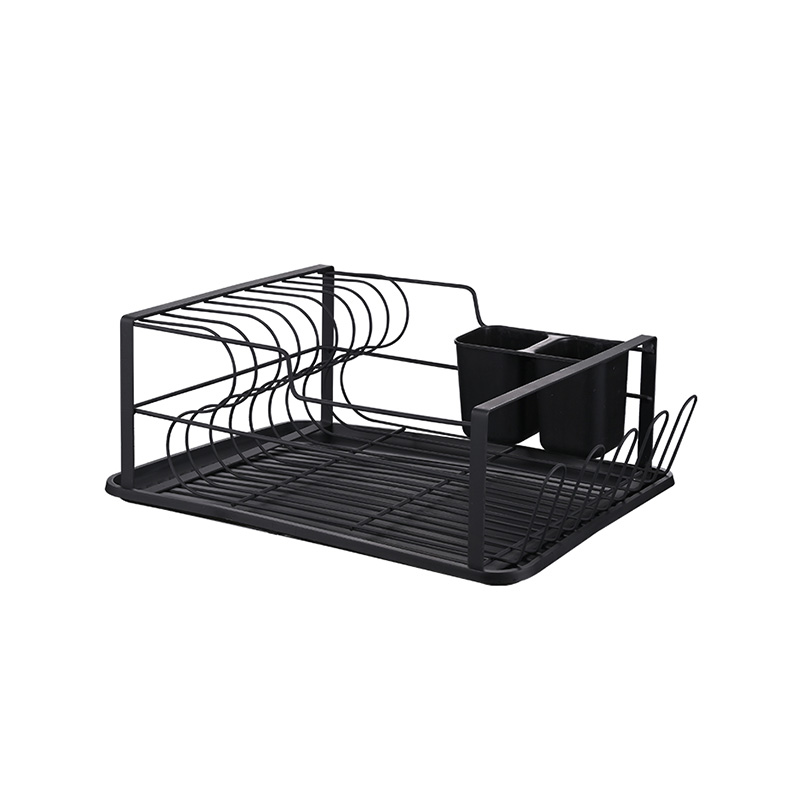
A Kitchen Dish Rack can easily become the busiest part of a kitchen after every meal. Plates, bowls, mugs, utensils, and small cookware often arrive at the sink at the same time, and placing them together without a clear arrangement can leave dishes unstable and slow down drying. A practical rack should do more than hold wet tableware. It should create separate drying positions, support airflow, manage dripping water, and remain easy to clean during everyday use.
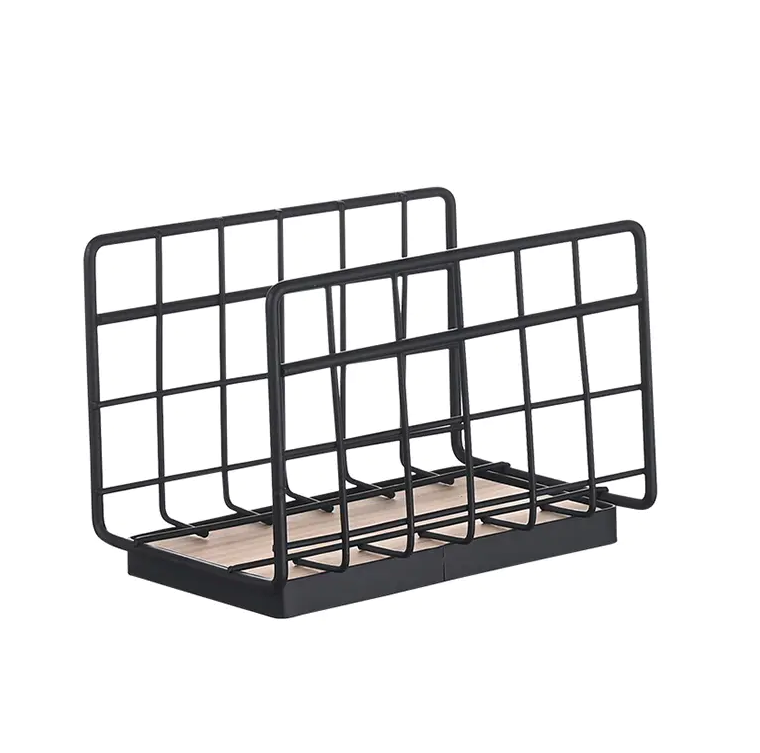
Separate Dishes by Their Shape
Not every piece of tableware needs the same type of support. Plates are easier to dry when they stand upright, while bowls need a wider base and cups need enough clearance to prevent contact with nearby items.
A well-planned dish rack layout can include:
- Narrow slots for dinner plates and side plates
- Wider sections for bowls and small serving dishes
- Raised holders for mugs and drinking glasses
- A separate container for forks, spoons, and other utensils
This simple separation reduces the need to rearrange dishes after washing and makes the drying area easier to manage.
Leave Room for Air to Move
Dishes that touch each other tend to hold moisture between their surfaces. This becomes particularly noticeable when several bowls or cups are placed tightly together.
Open spacing is therefore an important part of a dish drying rack for everyday use. Raised supports and separated slots allow air to circulate around wet surfaces. The rack does not need to be oversized; the goal is to provide useful clearance without wasting valuable kitchen space.
Make Stability Part of the Design
A rack may look suitable when empty but behave differently after several dishes are added. Uneven weight distribution can cause movement, especially when plates are loaded on one side and cups or utensils are placed elsewhere.
A stable structure should have a balanced base, secure connections, and feet that maintain contact with the countertop. For adjustable or expandable models, the extension mechanism should also remain firm during normal loading and unloading. These details matter because a drying rack is handled repeatedly throughout the day.
Plan for Water From the Start
Dripping water is one of the most common reasons a drying area becomes messy. Water from plates and cups can collect underneath the rack, leaving a damp countertop or creating residue around the sink.
A practical drainage setup can use a removable tray, sloped surface, drainage channel, or direct-to-sink structure. The important point is that water needs a clear path away from clean dishes and the surrounding worktop. Easy removal of the tray also makes regular cleaning less troublesome.
Make Cleaning Part of Daily Use
A dish rack itself needs cleaning, particularly around corners, joints, drainage areas, and utensil holders. Designs with too many narrow gaps can make this routine unnecessarily difficult.
Smooth surfaces and detachable components can make wiping and rinsing more convenient. For metal racks, suitable surface finishing and corrosion resistance are also relevant because the product remains exposed to water and detergent during repeated use.
Size Should Follow the Household Routine
Choosing a dish rack based only on appearance can create problems later. A small household that washes a few items at a time may prefer a compact rack, while a larger family may need additional plate slots and a wider utensil section.
Expandable and foldable designs have gained attention because they can provide extra drying capacity when needed and occupy less room when the washing is finished. Recent product discussions also show that users pay close attention to whether these flexible designs remain stable and easy to operate in real kitchens.
Practical Details Create a Better Sink Routine
The value of a dish rack is found in repeated everyday use rather than in appearance alone. Proper spacing, stable support, controlled drainage, washable components, and a layout suited to common tableware can turn a crowded sink area into a more manageable workstation.
For households seeking a cleaner and more organized way to handle freshly washed dishes, a thoughtfully designed Kitchen Dish Rack can make the routine simpler without adding unnecessary complexity. The right Kitchen Dish Rack should fit the available space, accommodate different types of tableware, control moisture, and stay convenient from the first dish of the day to the last.

-
Feedback
CONTACT US
If You Need More Help, Let Us Know.
How can we help you,
contact us anytime.
- Send us a message
-
Call us
+86-15924212045
Quick Links
Products
Contact Info
-
Phone
+86-13616790777
-
Add
No. 176, Xinxin Road, Qianhang Village, Gushan Town, Yongkang City, Zhejiang Province, China
Copyright © Yongkang Haisong Household Products Co., Ltd. All Rights Reserved.

OEM Iron Wire Metal Storage Products