

 English
 中文简体
中文简体 русский
 Español
 Author: Admin Date: 2026-08-21
Practical Kitchen Dish Rack Designs for Cleaner Sink Areas
A Kitchen Dish Rack is often one of those everyday items that becomes noticeable only when it creates a problem. A rack that blocks part of the counter, leaves water around the sink, or makes plates difficult to reach can quickly become an inconvenience. With more attention on practical kitchen organization, many households are moving toward drying solutions that use available space more efficiently while keeping wet dishes separated and easy to handle. This shift is especially useful in compact kitchens where every section of the countertop has a purpose.
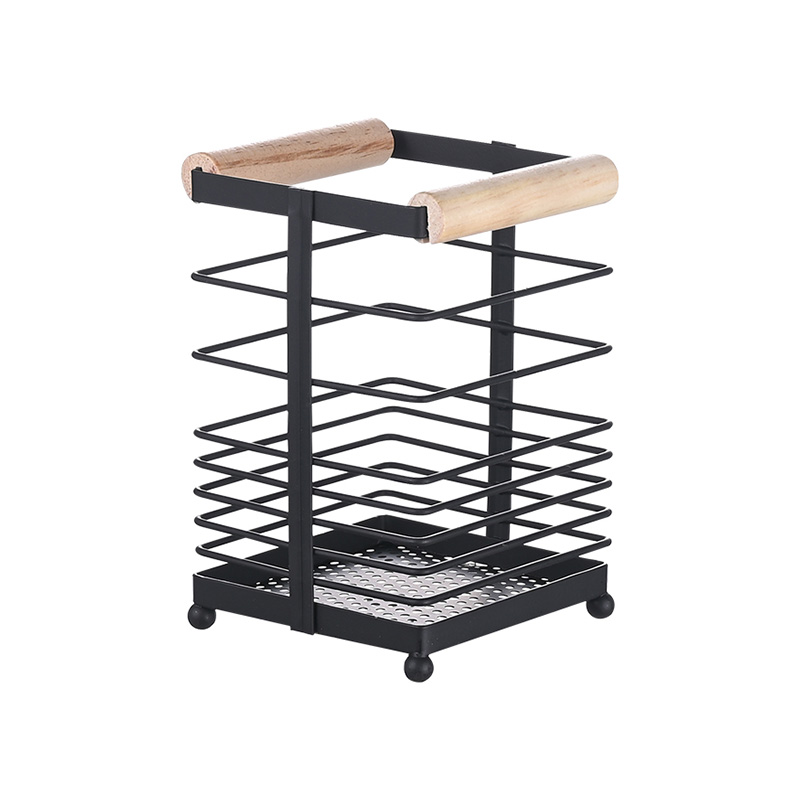
Turn Sink Space Into Drying Space
For kitchens with limited counter area, the area around the sink can offer a more practical drying position. An over-sink dish drying rack allows washed plates and bowls to remain close to where they are cleaned, while water can drain directly toward the sink.
This arrangement can reduce the need for a large tray beside the sink and leave more room for food preparation. The key is proper sizing. The rack should match the sink width and sit securely without interfering with faucets, handles, or normal sink use.
Keep Plates Upright and Separated
Flat stacking may save a little space, but it can also slow drying because surfaces remain close together. A rack with individual plate slots gives each plate its own position and allows air to move between them.
For daily use, useful spacing should accommodate different plate shapes without making the rack unnecessarily large. Slightly deeper sections can also provide a stable place for bowls, while smaller holders can keep cups from leaning against larger dishes.
Control Drips Before They Reach the Counter
Water management deserves as much attention as storage capacity. When wet dishes sit directly above a countertop, even a small amount of trapped water can create a constant damp area.
A practical dish drying rack should therefore provide a clear drainage route. Depending on the design, this can come through a sloped tray, open base, drainage spout, or direct sink placement. Removable drainage components are also convenient because they allow users to clean areas where water and residue may collect.
Choose Materials for a Wet Environment
Dish racks are exposed to water, detergent, food residue, and frequent handling. Material and surface treatment therefore affect how easy the product is to maintain over time.
Stainless steel is commonly selected for its moisture resistance and clean appearance, while coated metal and plastic components can provide different combinations of weight, cost, and design flexibility. For any material, smooth surfaces, secure joints, and easy-to-clean corners are practical details worth checking before purchase.
Avoid a Rack That Creates New Clutter
A larger rack does not automatically provide better organization. If the structure occupies too much space or includes sections that are rarely used, it may simply replace one type of clutter with another.
A more useful layout can include:
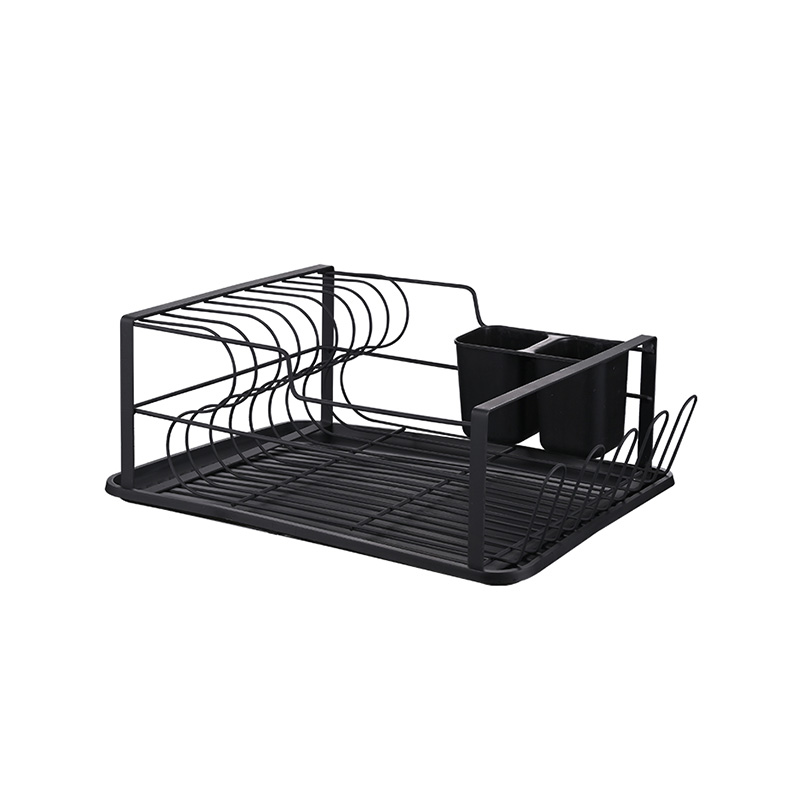
- Dedicated plate slots for upright drying
- A removable cutlery holder for small utensils
- Raised supports for cups and glasses
- Open sections for bowls and small cookware
This approach keeps commonly used items visible while preventing different types of dishes from being piled together.
Match the Rack to the Kitchen Layout
There is no single format suitable for every sink area. A slim countertop dish rack can work well where the counter is available but narrow. An expandable model offers flexibility when the number of dishes changes, while an over-sink or wall-mounted design can make better use of vertical space.
Recent kitchen organization coverage has increasingly focused on using overlooked areas rather than adding more objects to already crowded countertops. The same principle applies to dish drying: the right rack should fit the kitchen rather than forcing the kitchen to adapt to the rack.
Build Everyday Convenience Into the Details
The most useful dish drying solutions are often defined by small design choices. Stable feet prevent unwanted movement, rounded edges make handling easier, suitable spacing improves airflow, and detachable parts simplify cleaning. These details may not attract attention in a product photo, but they become important during repeated daily use.
For households looking to keep the sink area organized without sacrificing useful counter space, a thoughtfully sized Kitchen Dish Rack can make washing and drying dishes feel much more manageable. A practical Kitchen Dish Rack combines stable placement, effective drainage, sensible storage sections, and easy maintenance, giving everyday kitchens a cleaner and more comfortable drying setup.

-
Feedback
CONTACT US
If You Need More Help, Let Us Know.
How can we help you,
contact us anytime.
- Send us a message
-
Call us
+86-15924212045
Quick Links
Products
Contact Info
-
Phone
+86-13616790777
-
Add
No. 176, Xinxin Road, Qianhang Village, Gushan Town, Yongkang City, Zhejiang Province, China
Copyright © Yongkang Haisong Household Products Co., Ltd. All Rights Reserved.

OEM Iron Wire Metal Storage Products