

 English
 中文简体
 русский
 Español
Author: Admin Date: 2026-10-26
Choosing a Kitchen Dish Rack That Fits Different Countertop Layouts
Limited countertop space can turn dish drying into a daily inconvenience, especially when the sink, cooking area, and food preparation space share the same surface. A rack that looks spacious in a product photo may occupy too much room once it is placed beside a faucet or beneath a cabinet. For kitchenware distributors and retailers, choosing products that fit real kitchen layouts can help meet different customer needs. As a manufacturer, we pay attention to footprint, storage arrangement, and accessibility when developing a Kitchen Dish Rack for everyday use.
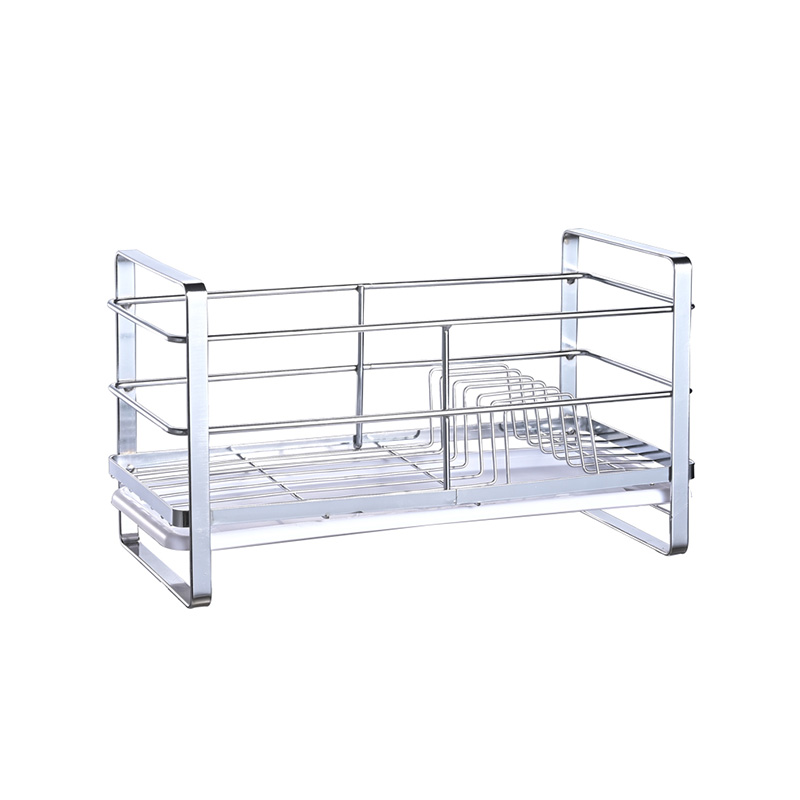
Measure the Available Space Before Selecting a Design
The external dimensions of a dish rack do not tell the whole story. Buyers should consider the space needed to open cabinets, operate faucets, and move dishes in and out comfortably. A rack positioned too close to a wall may also become difficult to clean around.
For product selection, consider:
- The usable countertop area beside the sink.
- The height clearance beneath wall cabinets.
- The distance between the rack and nearby appliances.
- The space required to remove the drip tray.
These factors help retailers choose dimensions that suit the kitchens their customers actually use.
Compact Designs Need Practical Storage Layouts
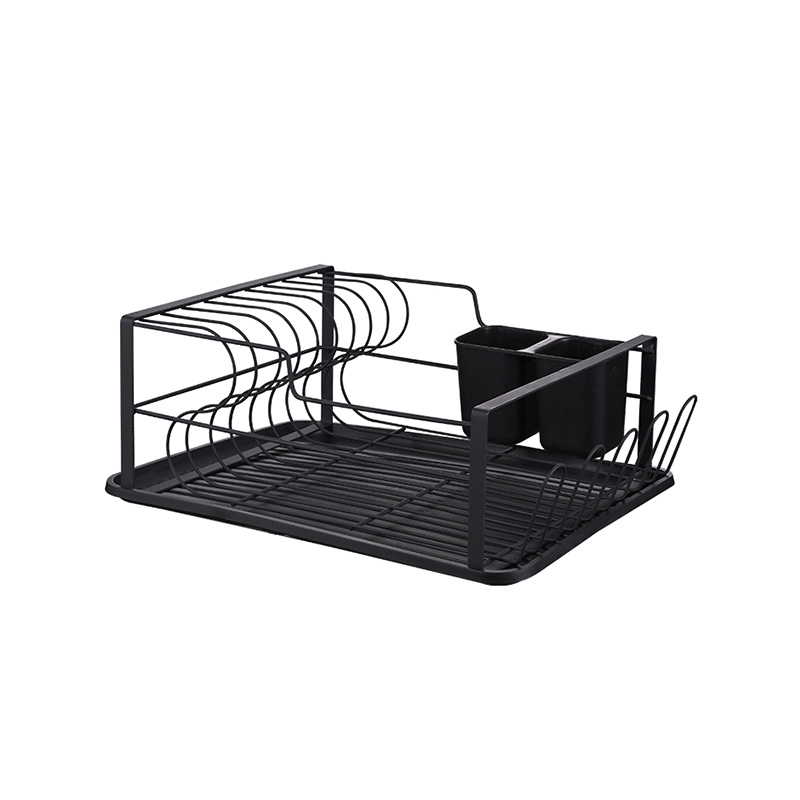
A smaller rack can free up valuable workspace, but reducing its footprint should not make it difficult to organize everyday tableware. Closely packed plate slots may restrict access, while an undersized utensil holder can quickly become crowded. A well-planned compact dish drying rack uses its available space carefully, with separate areas for plates, cups, and cutlery. Buyers should assess how easily common kitchen items fit rather than comparing products by external dimensions alone.
Over-Sink Models Require Careful Compatibility Checks
Over-sink dish racks can free up countertop space by using the area above the basin. However, they are not suitable for every kitchen. Sink width, faucet position, cabinet clearance, and the rack's support structure all affect compatibility. Retailers offering this style should provide clear dimension information and explain the installation requirements. Buyers should also verify that the product remains stable when loaded and that drainage does not create problems around the sink.
Drainage Should Match the Kitchen Setup
A drip tray can protect the countertop from water, but its design needs to suit the rack's position. In smaller kitchens, a removable tray may be easier to manage because users can empty and clean it without moving the entire unit. Some designs direct water toward the sink, although their effectiveness depends on positioning and surface conditions. When evaluating a Kitchen Dish Rack, buyers should check how water is collected, whether the tray is easy to access, and whether surrounding surfaces remain manageable during daily use.
Materials and Finishes Influence Maintenance
Kitchen dish racks are regularly exposed to moisture, detergent, and food residue. Stainless steel, coated metal, and plastic offer different combinations of appearance, weight, and cleaning requirements. The choice should reflect the intended market and product positioning. Buyers should inspect joints, edges, coatings, and detachable components to identify potential maintenance concerns. Material selection alone does not guarantee durability, so the assembled product should also be checked under normal operating conditions.
Flexible Storage Can Serve Different Households
Households do not all wash the same combination of dishes. Some need space for large cooking bowls, while others mainly dry cups, plates, and cutlery. Adjustable dividers or removable holders can make a rack more adaptable, provided the components remain secure and easy to handle. For retailers, offering a considered range of compact, standard, and space-saving designs can address different kitchen layouts without relying on unnecessary features.
Product Dimensions Matter in Overseas Supply
For importers and wholesale buyers, clear specifications help reduce mismatches between product design and local customer expectations. We consider footprint, height, storage capacity, drainage arrangements, and component fit when developing a Kitchen Dish Rack for overseas markets. Reviewing samples alongside confirmed dimensions allows buyers to assess how a product will function in real kitchen settings. A suitable design should make dish drying easier while preserving the workspace customers need for everyday cooking.

-
Feedback
CONTACT US
If You Need More Help, Let Us Know.
How can we help you,
contact us anytime.
- Send us a message
-
Call us
+86-15924212045
Quick Links
Products
Contact Info
-
Phone
+86-13616790777
-
Add
No. 176, Xinxin Road, Qianhang Village, Gushan Town, Yongkang City, Zhejiang Province, China
Copyright © Yongkang Haisong Household Products Co., Ltd. All Rights Reserved.

OEM Iron Wire Metal Storage Products