

 English
 中文简体
 русский
 Español
Author: Admin Date: 2026-10-23
How Dish Rack Design Helps Prevent Scratches and Tableware Damage
A dish rack should keep washed tableware organized without creating new problems during drying. Plates that slide against one another, glasses that tip easily, and metal edges that leave marks can all affect the user experience. For kitchenware retailers and importers, these details matter because customers expect storage accessories to protect their dishes while keeping the countertop tidy. As a manufacturer, we consider contact points, spacing, and structural stability when developing a Kitchen Dish Rack for everyday household use.
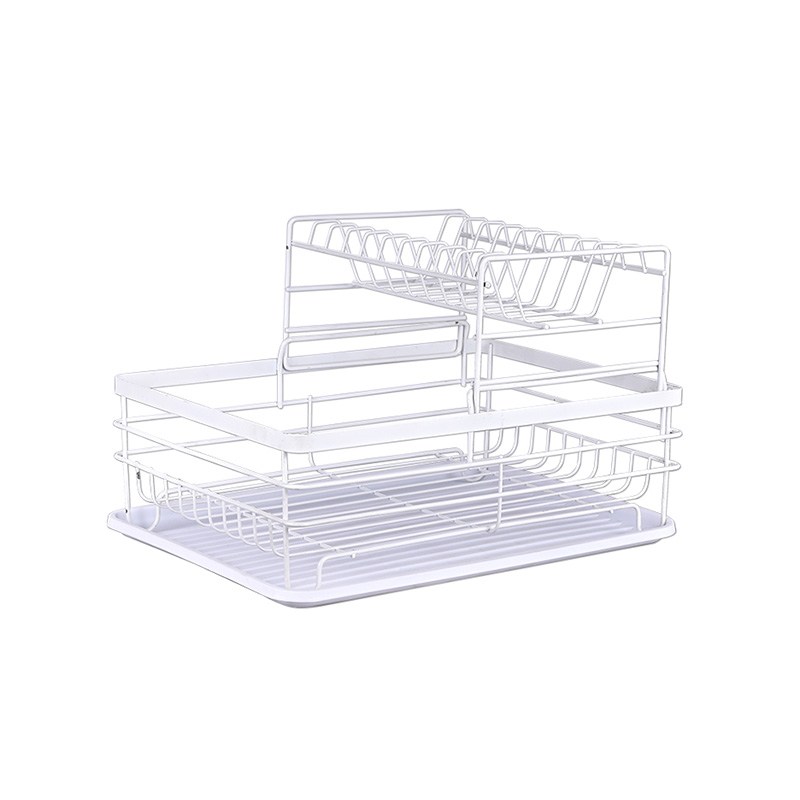
Plate Dividers Help Prevent Unwanted Contact
When several plates are placed together, insufficient spacing can cause them to rub against each other during loading and removal. Individual plate slots help keep dishes separated and reduce unnecessary movement. Buyers should check whether the dividers accommodate different plate thicknesses and whether their edges are smoothly finished. A practical layout should hold plates upright without making them difficult to remove when the rack is full.
Glass Holders Need Stable Support
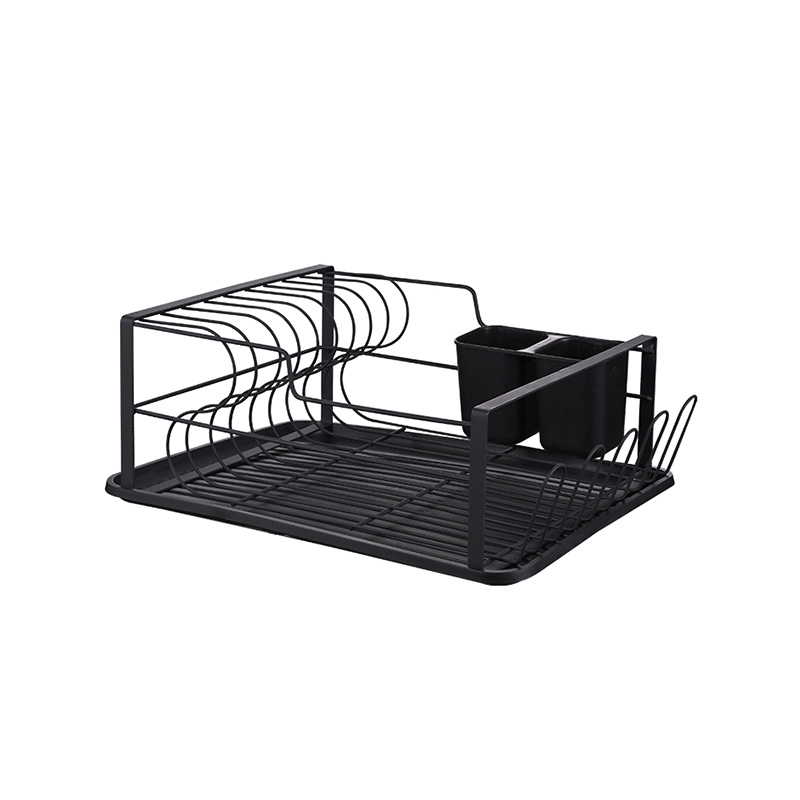
Drinking glasses and mugs can be awkward to position when a rack provides only a flat storage surface. Dedicated holders or separated compartments can help keep these items organized during drying. However, the design must suit the intended glassware rather than simply add more storage features. Retailers evaluating a dish drying rack should check the available clearance, support points, and stability of cups placed in different positions.
Surface Finishing Deserves Close Inspection
Rough edges, exposed joints, and uneven coatings may affect both handling and appearance. Metal racks should have properly finished contact areas, while plastic components should be free from visible molding defects that interfere with normal use. These details are worth checking during sample evaluation, particularly for products intended for frequent contact with ceramic, glass, and other household tableware.
Before approving a sample, buyers can examine:
- Edges and corners that may touch plates or cups.
- Welded joints and connection points.
- Coating consistency across the frame.
- The fit of removable holders and drainage trays.
A simple inspection can help identify issues before production quantities are confirmed.
Load Distribution Affects Rack Stability
A rack may become unsteady when heavy bowls are placed on one side and lighter items on the other. A balanced frame and appropriately positioned feet help support ordinary loading conditions. Buyers should test the product on a flat countertop and place tableware in different sections to observe whether it rocks or shifts. Capacity should be assessed through actual use rather than appearance alone, since an oversized load can affect stability and make dishes harder to retrieve.
Drainage Design Keeps Stored Items Drier
Water trapped beneath plates or inside poorly ventilated compartments can slow drying and leave residue on the rack. Adequate spacing allows air to circulate around tableware, while a removable drip tray makes collected water easier to dispose of. The tray should fit securely and remain accessible for cleaning. For overseas distributors, these practical features can help distinguish a thoughtfully designed Kitchen Dish Rack from a product that offers storage space without addressing daily maintenance.
Cleaning Access Helps Preserve Appearance
Corners, joints, and narrow gaps can collect detergent residue and mineral deposits over time. A design with accessible surfaces and detachable components makes routine cleaning more manageable. Buyers should consider whether users can reach the areas beneath utensil holders and around the drainage tray without complicated disassembly. Easy maintenance also gives retailers a practical feature to communicate in product descriptions.
Quality Checks Support Reliable Bulk Supply
Consistent construction matters when kitchenware is supplied across repeated orders. Differences in slot spacing, frame alignment, edge finishing, or accessory fit can affect usability and lead to customer complaints. As a manufacturer, we focus on these details when developing a Kitchen Dish Rack for different household needs and overseas markets. By checking samples, confirming specifications, and evaluating the assembled product under normal conditions, buyers can make more informed decisions about product suitability and long-term supply.

-
Feedback
CONTACT US
If You Need More Help, Let Us Know.
How can we help you,
contact us anytime.
- Send us a message
-
Call us
+86-15924212045
Quick Links
Products
Contact Info
-
Phone
+86-13616790777
-
Add
No. 176, Xinxin Road, Qianhang Village, Gushan Town, Yongkang City, Zhejiang Province, China
Copyright © Yongkang Haisong Household Products Co., Ltd. All Rights Reserved.

OEM Iron Wire Metal Storage Products