

 English
 中文简体
中文简体 русский
 Español
 Author: Admin Date: 2026-10-16
Smart Storage Features That Make a Kitchen Dish Rack Easier to Use
A crowded kitchen countertop can make washing dishes feel like a bigger task than it needs to be. When plates overlap, cups have nowhere to drain, and utensils pile up in one corner, even a simple dish rack becomes frustrating to use. For kitchenware retailers and importers, these everyday complaints offer useful direction when selecting new products. As a manufacturer, we focus on how a Kitchen Dish Rack organizes different types of tableware, manages moisture, and makes better use of limited countertop space.
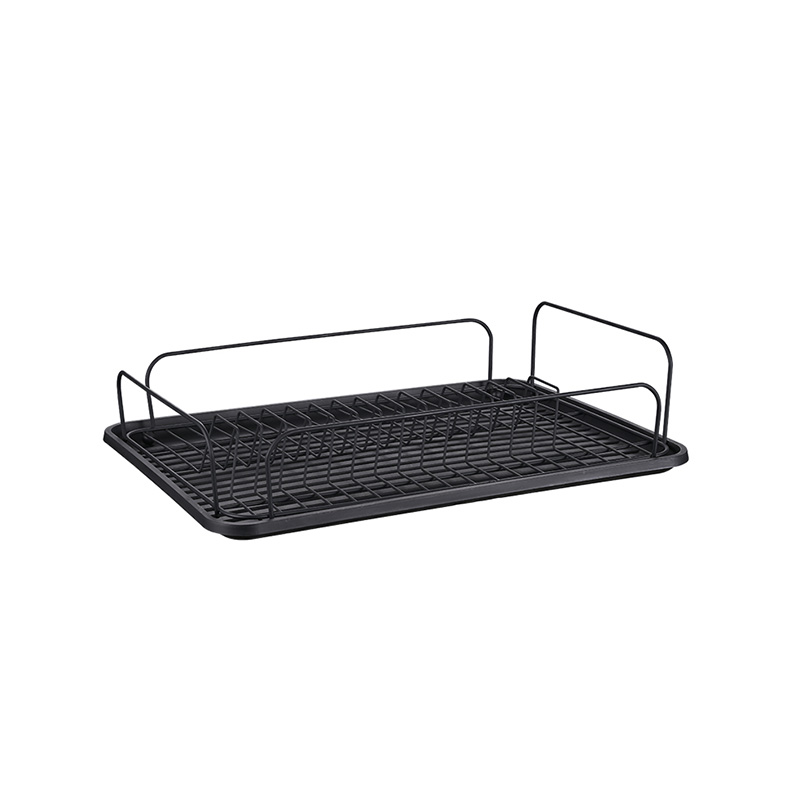
Separate Storage Keeps Tableware Organized
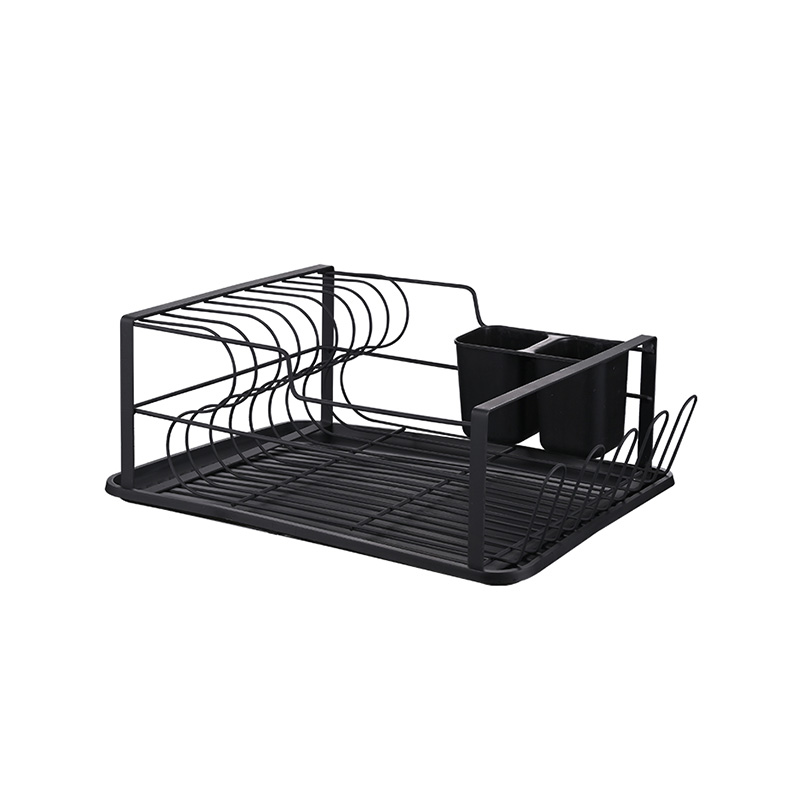
Plates, drinking glasses, bowls, and cutlery need different types of support during drying. A rack with clearly arranged sections helps prevent items from crowding one another and makes them easier to access. Plate holders keep dishes upright, while dedicated utensil compartments can separate forks, spoons, and other small items. For buyers comparing kitchen dish drying racks, the internal layout deserves as much attention as the overall appearance.
Vertical Storage Frees Up Counter Space
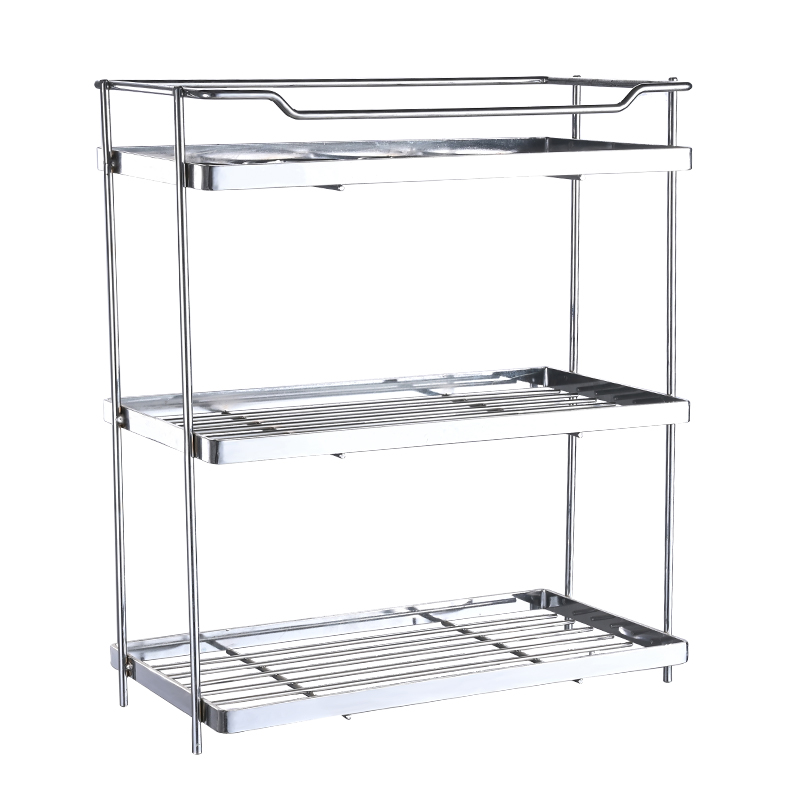
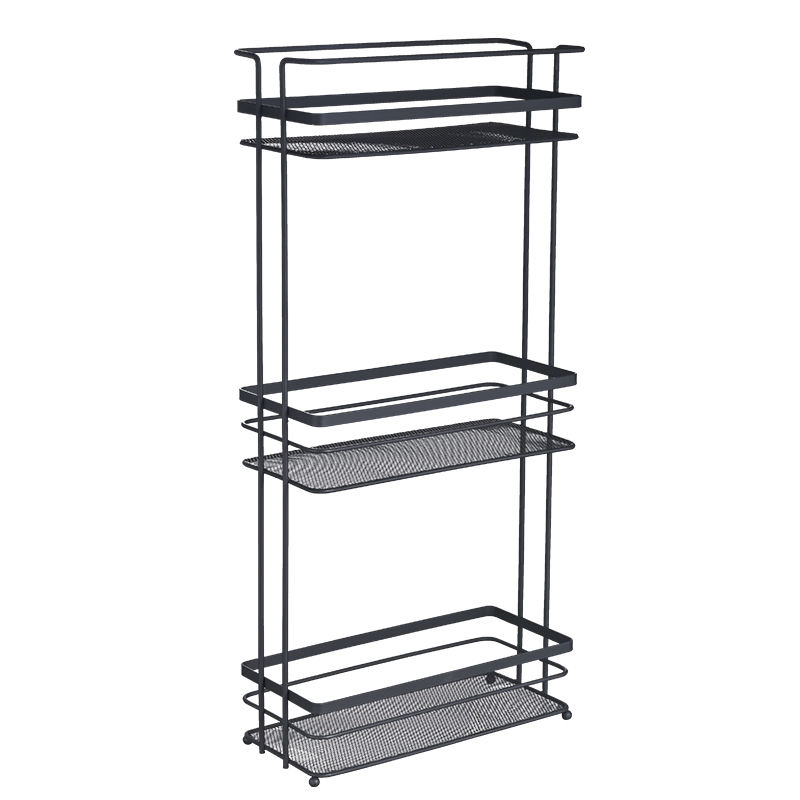
Using vertical space can help kitchens accommodate more tableware without spreading items across the countertop. Tiered dish racks offer separate levels for different dishes, while compact upright designs can suit smaller kitchens and apartments. However, adding another tier should not make the structure difficult to load or clean.
When assessing a vertical design, buyers should consider:
- Clearance between tiers for placing and removing dishes.
- Stability when the rack carries uneven loads.
- Accessibility of the upper level during daily use.
- Space required for nearby cabinets and kitchen appliances.
These practical checks help retailers choose designs that balance storage capacity with convenience.
Drainage Features Reduce Countertop Mess
Water dripping from freshly washed dishes can accumulate beneath the rack and leave the surrounding surface wet. A well-fitted drip tray helps collect runoff, while an appropriate drainage channel can direct water toward a sink when the kitchen layout allows it. The connection between the rack and its tray is particularly important because poorly aligned components may allow water to escape. Buyers should test drainage performance with different dish positions instead of relying on appearance alone.
Removable Components Simplify Cleaning
Kitchen accessories are exposed to food residue, detergent, and mineral deposits. Fixed compartments and narrow corners can make cleaning awkward, especially when utensils or small bowls are stored together. Removable cutlery holders and accessible trays allow users to clean individual parts more conveniently. From a manufacturing perspective, component fit matters: removable parts should be easy to handle while remaining secure during normal use.
Material Finishes Influence Customer Expectations
The material and surface finish affect how a dish rack looks and how much maintenance it requires. Stainless steel can suit modern kitchens, while coated metal and plastic provide other options for different designs and price ranges. Buyers should examine exposed edges, connection points, coating consistency, and the overall feel of the assembled product. A Kitchen Dish Rack intended for frequent use should also be evaluated under realistic wet conditions to assess its practical suitability.
Product Selection Should Reflect Local Demand
Different markets may favor different combinations of capacity, appearance, and installation style. Customers in compact apartments may prefer space-saving countertop models, while larger households may value multiple storage sections. Retailers can use customer feedback, common kitchen layouts, and existing product returns to identify features worth prioritizing. Offering a focused selection of designs can make inventory planning easier than stocking products that differ only in appearance.
Consistent Production Supports Retail Supply
For distributors and private-label buyers, a practical design must also be supported by consistent manufacturing. Variations in rack dimensions, tray alignment, surface finishing, or component assembly can affect the customer experience. As a manufacturer, we consider structural stability, drainage, storage layout, and ease of maintenance when developing a Kitchen Dish Rack for overseas markets. Reviewing samples and confirming specifications before bulk production helps buyers select products that meet their market needs and deliver everyday convenience.

-
Feedback
CONTACT US
If You Need More Help, Let Us Know.
How can we help you,
contact us anytime.
- Send us a message
-
Call us
+86-15924212045
Quick Links
Products
Contact Info
-
Phone
+86-13616790777
-
Add
No. 176, Xinxin Road, Qianhang Village, Gushan Town, Yongkang City, Zhejiang Province, China
Copyright © Yongkang Haisong Household Products Co., Ltd. All Rights Reserved.

OEM Iron Wire Metal Storage Products