

 English
 中文简体
中文简体 русский
 Español
 Author: Admin Date: 2026-03-27
Kitchen Dish Rack Structural Designs Supporting Efficient Kitchen Organization
Kitchen storage tools play an important role in maintaining order during daily cooking and cleaning routines. Dish racks in particular help organize plates, bowls, and utensils after washing. When buyers explore product options from Kitchen Dish Rack Manufacturers, structural design often becomes a key factor in determining how efficiently a rack can organize kitchen items.
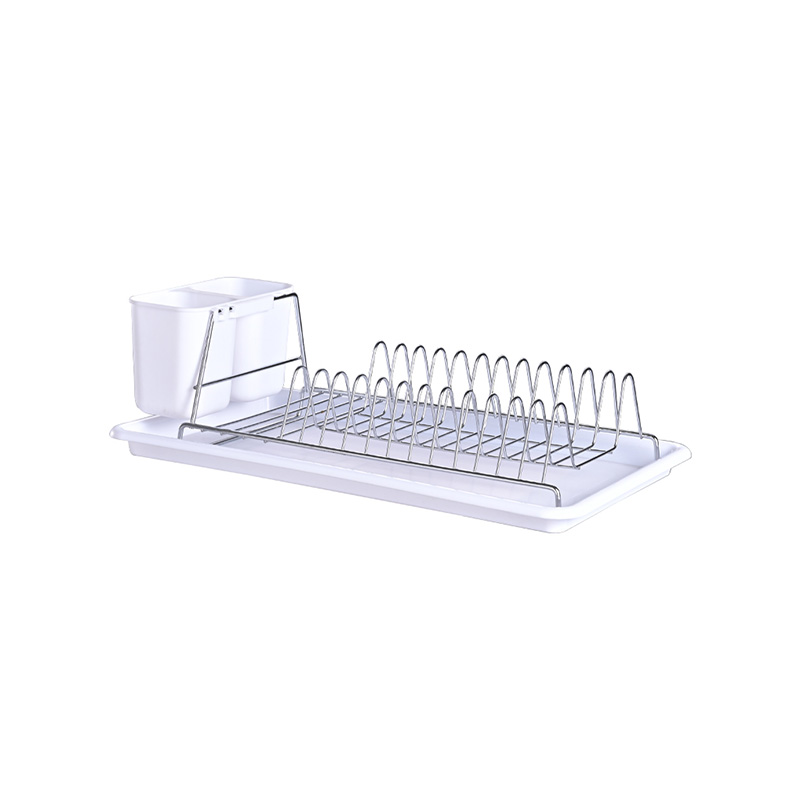
Kitchen accessories made by a Napkin Holder Factory also follow similar design principles. Items placed on countertops must support easy access, clear organization, and convenient cleaning. In dish racks, carefully planned structural features help separate different types of kitchenware while allowing them to dry naturally.
Multi-Level Dish Rack Structures
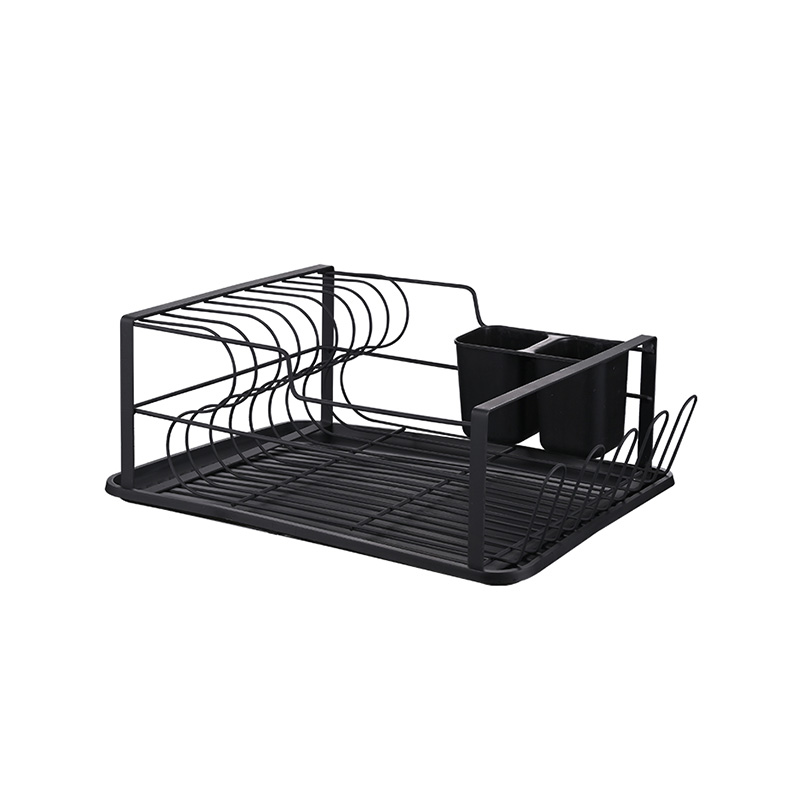
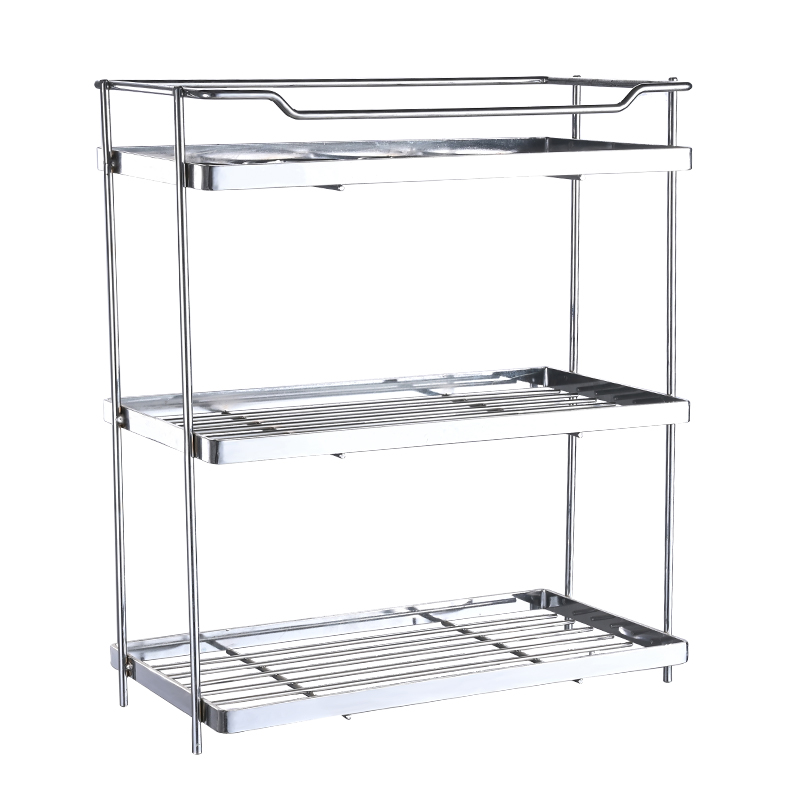
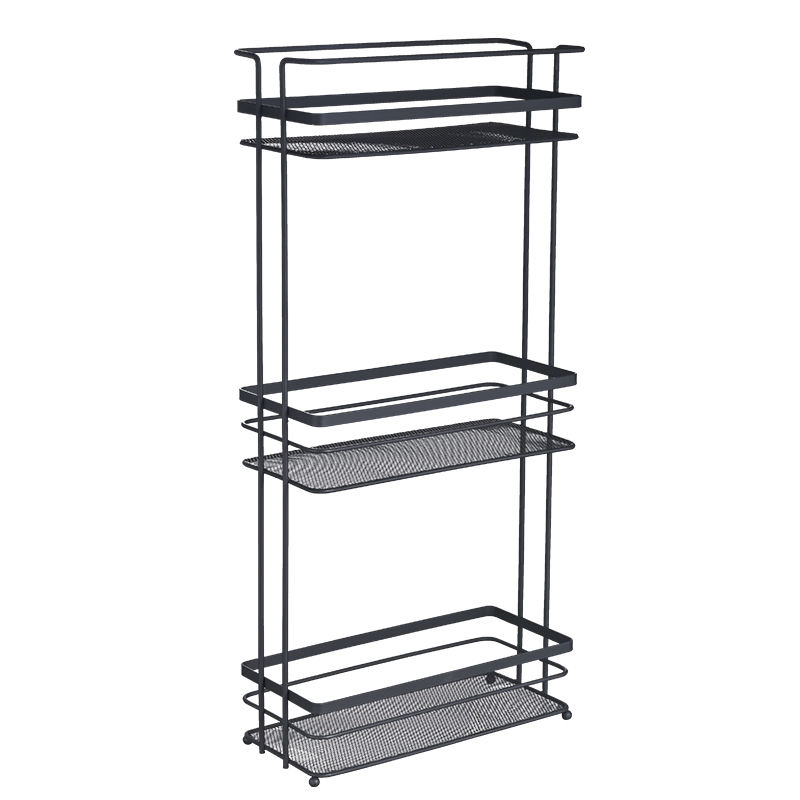
Many dish racks are designed with multiple levels to increase storage capacity without occupying additional countertop space.
Upper Storage Sections
Upper sections are often designed for plates and lightweight items. Vertical slots hold plates upright so that water can drip down naturally while allowing air to circulate between dishes.
Lower Storage Areas
Lower sections can be used for bowls, small pots, or serving dishes. These items usually require a wider base, so the lower area of the rack is often designed with open wire spacing.
This layered arrangement helps organize different kitchen items while keeping the drying process efficient. Because of these practical benefits, many Kitchen Dish Rack Manufacturers include multi-level designs in their product lines.
Dedicated Compartments for Utensils
Dish racks frequently include additional compartments for smaller kitchen tools. These compartments allow forks, spoons, and knives to dry separately from larger items.
Removable Utensil Holders
Many racks include detachable utensil containers attached to the side of the structure. These containers typically contain drainage holes that allow water to escape while utensils dry.
Removing the container for cleaning also helps maintain hygiene in the kitchen.
Organized Drying Areas
When utensils are placed in a dedicated container, they remain separated from plates and bowls. This structure helps prevent overcrowding on the main rack surface.
Manufacturers producing countertop accessories, such as a Napkin Holder Factor,y also apply compartment-based designs to improve organization in kitchen storage products.
Stable Frame Construction
Structural stability is another important aspect of dish rack design. Since dish racks support multiple items simultaneously, the frame must remain balanced during use.
Reinforced Wire Frames
Many racks use reinforced wire frames to support the weight of plates and cookware. Strong connections between frame sections help maintain the overall structure.
Non-Slip Base Components
Rubber feet or protective pads are often attached to the base of the rack. These components help prevent the rack from sliding on wet countertops.
Balanced Weight Distribution
The layout of the rack also affects stability. When heavier items are placed on lower sections, the structure remains more balanced during drying.
These structural features help ensure that the dish rack remains steady throughout everyday use.
Water Drainage and Drying Efficiency
Dish racks must allow dishes to dry quickly while preventing water from collecting around the rack. Structural design plays a major role in achieving this balance.
Sloped Drainage Boards
Some racks include drainage boards positioned beneath the frame. These boards are slightly angled so that water flows toward the sink.
This design helps prevent water from spreading across the countertop.
Open Wire Layout
Wire-frame racks allow water droplets to fall through the structure while also improving airflow. As air moves around the dishes, the drying process becomes more efficient.
Removable Drip Trays
Certain dish racks include removable trays placed under the frame. These trays collect water that drips from dishes, allowing it to be emptied easily.
Such drainage solutions are widely used by Kitchen Dish Rack Manufacturers because they help maintain clean and dry kitchen surfaces.
Integration with Other Kitchen Accessories
Dish racks often work alongside other countertop tools to maintain an organized kitchen environment. Items such as utensil containers, drying mats, and napkin holders are commonly placed nearby.
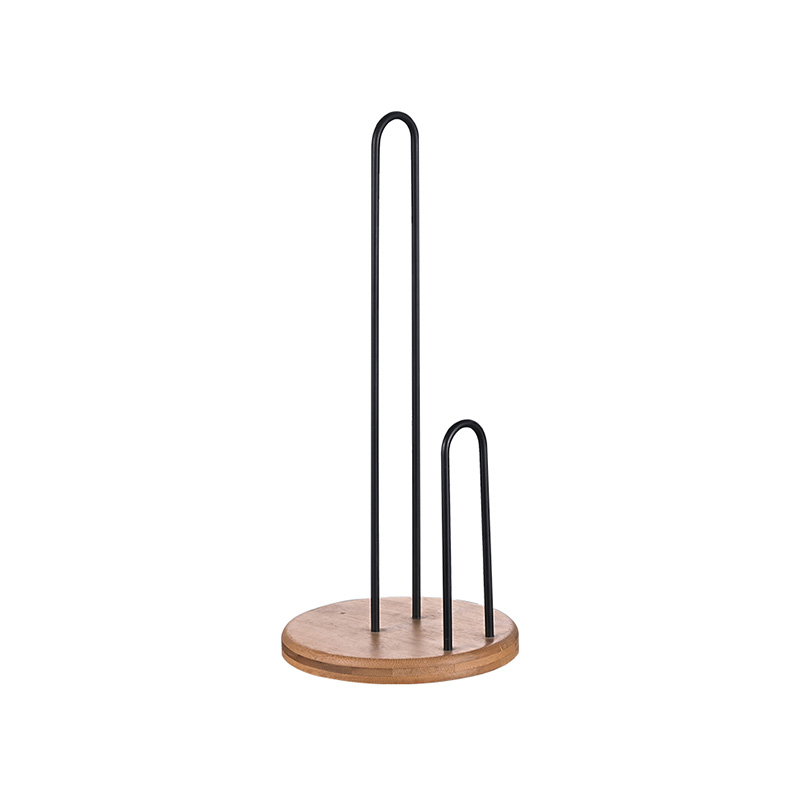
A Napkin Holder Factory may produce tabletop accessories designed to complement dish racks in both appearance and function. When these accessories share similar materials or design styles, the kitchen workspace can remain visually consistent and organized.

-
Feedback
CONTACT US
If You Need More Help, Let Us Know.
How can we help you,
contact us anytime.
- Send us a message
-
Call us
+86-15924212045
Quick Links
Products
Contact Info
-
Phone
+86-13616790777
-
Add
No. 176, Xinxin Road, Qianhang Village, Gushan Town, Yongkang City, Zhejiang Province, China
Copyright © Yongkang Haisong Household Products Co., Ltd. All Rights Reserved.

OEM Iron Wire Metal Storage Products