

 English
 中文简体
中文简体 русский
 Español
 Author: Admin Date: 2026-04-03
Stacking Up Savings: How Nested Designs Help Fruit Basket Manufacturers Reduce Logistics Costs
Logistics and warehousing expenses have become a notable concern for producers of household goods worldwide. In response, a growing number of Fruit Basket Manufacturers are turning to stackable nested designs as a practical solution. This approach changes how baskets are shaped and structured so that empty units fit inside one another, allowing more items to be stored or shipped in the same space.
The Idea Behind Nested Structures
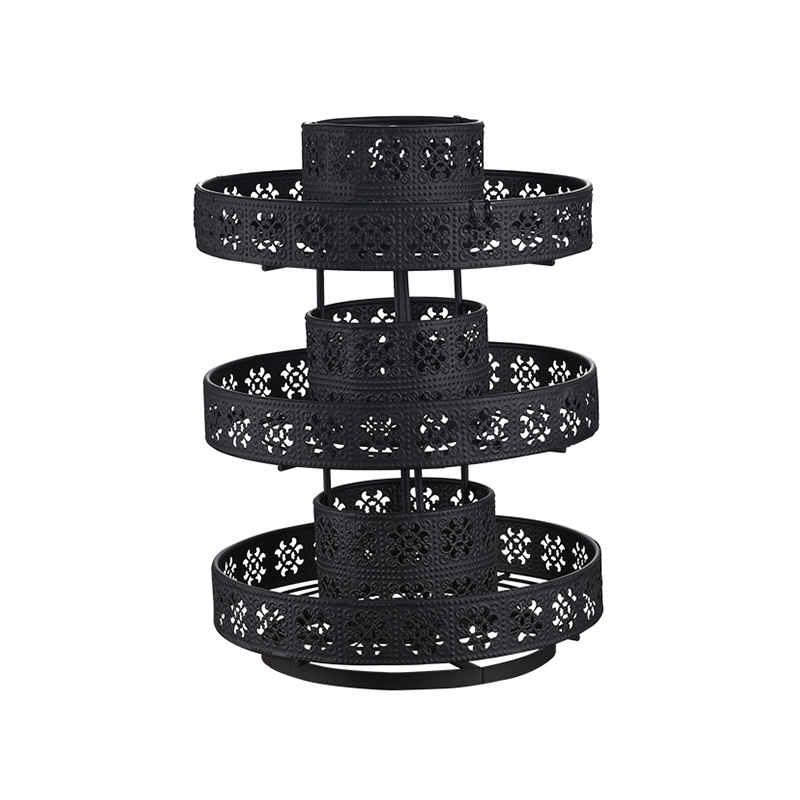
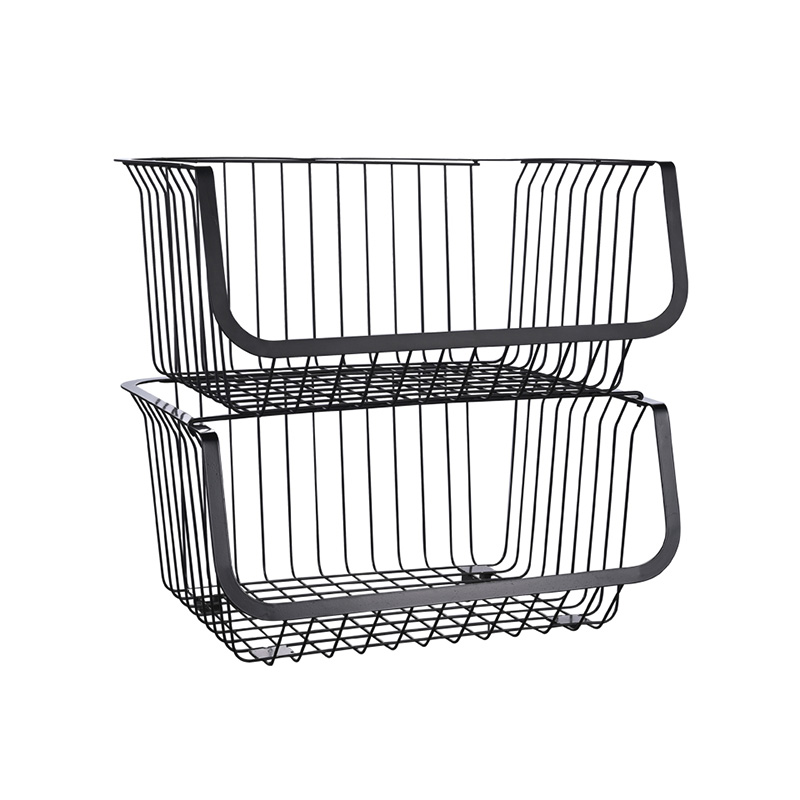
A nested design means that when baskets are not filled with fruit, they can be placed into each other like cups. This is achieved by using tapered walls, stepped rims, or locking gaps that prevent sticking. The concept is not new, but its application across different materials — from metal wire to certain plastics — has expanded recently. By adopting this geometry, Fruit Basket Manufacturers can pack a larger quantity of products into a single transport container or a warehouse shelf.
Benefits Along the Supply Chain
The main advantage of nested baskets is the efficient use of volume. For international shipments, the difference between nested and non‑nested designs can be substantial. A standard shipping container that holds a certain number of non‑stackable baskets may accommodate many more units when those baskets are designed to nest. This means fewer containers are needed for the same order, which helps lower freight costs. Similarly, in a warehouse, nested baskets occupy less vertical space when stored empty, allowing better organization and potentially reducing storage fees.
Material Considerations
Different materials behave differently when nested. Metal wire baskets with smooth surfaces and consistent bending are well-suited for stacking inside each other. Plastic baskets can be molded with precise taper angles to ensure easy separation. Natural materials like rattan or willow present more of a challenge because their irregular surfaces may cause friction or damage during nesting. Some Fruit Basket Manufacturers address this by reinforcing the rims or using a hybrid construction — a natural basket body with a metal frame that enables nesting.
Practical Examples Without Naming Brands
A workshop specializing in woven baskets might redesign its classic round shape into a slightly conical form. After this change, the same production line can turn out baskets that fit into one another while still looking attractive when displayed. Buyers from supermarket chains or gift packagers have shown interest in such designs because they simplify logistics for seasonal promotions. During holiday periods, when large volumes of gift baskets are shipped quickly, nested units can be sent in fewer trips, which also reduces fuel use.
What to Look for as a Buyer
When sourcing from Fruit Basket Manufacturers, buyers may ask for samples to test how easily baskets nest and separate. A good nested design allows smooth insertion without excessive force and does not cause scratches or deformation. Manufacturers often provide stacking diagrams or videos to demonstrate the space savings. While nested designs are not suitable for every product style — for example, very deep or ornate baskets may not nest well — they offer a clear path to managing costs without changing the final user experience.

-
Feedback
CONTACT US
If You Need More Help, Let Us Know.
How can we help you,
contact us anytime.
- Send us a message
-
Call us
+86-15924212045
Quick Links
Products
Contact Info
-
Phone
+86-13616790777
-
Add
No. 176, Xinxin Road, Qianhang Village, Gushan Town, Yongkang City, Zhejiang Province, China
Copyright © Yongkang Haisong Household Products Co., Ltd. All Rights Reserved.

OEM Iron Wire Metal Storage Products