

 English
 中文简体
 русский
 Español
Author: Admin Date: 2026-11-20
Over Door Hook Design for Space-Saving Storage in Small Living Spaces
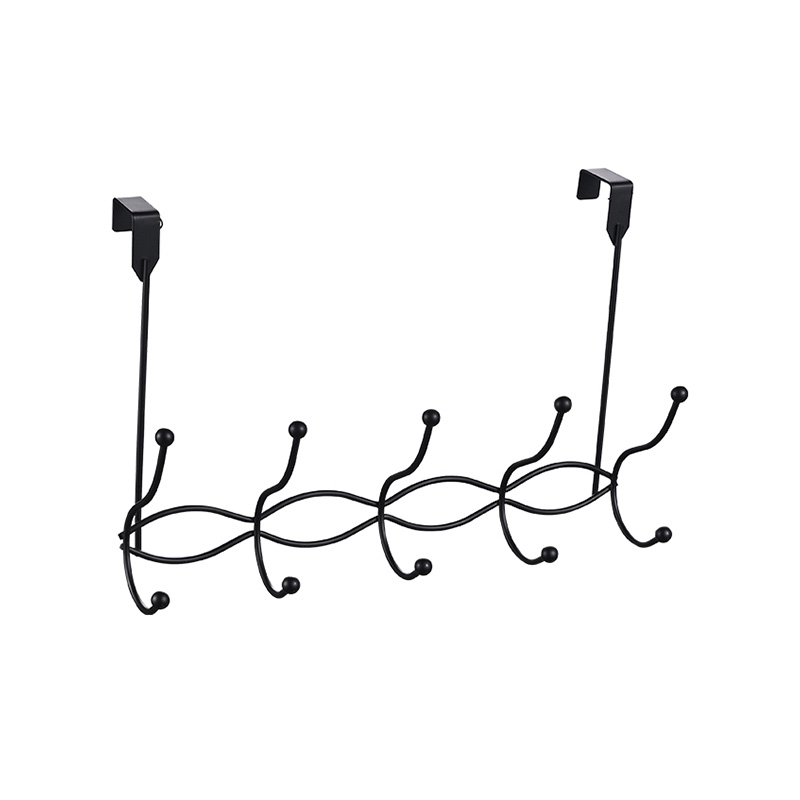
Small apartments, shared accommodation, and compact rental properties have created a growing need for practical storage accessories. For household goods distributors and importers, products that make use of unused space are an important part of home organization collections. An Over Door Hook provides additional hanging capacity without requiring wall drilling or complicated installation. However, its commercial value depends on more than its space-saving function. Product dimensions, hook spacing, material selection, and compatibility with different doors all influence purchasing decisions.
Making Better Use of Unused Door Space
In compact homes, walls and floors are often occupied by furniture, cabinets, and other daily necessities. Doors provide an alternative area for organizing frequently used items.
An Over Door Hook can be installed on bedroom, bathroom, or closet doors to hold coats, towels, handbags, and lightweight accessories. This arrangement keeps commonly used belongings accessible while reducing the need for additional storage furniture.
For retailers, products designed around space-saving applications can complement existing household storage categories.
Hook Spacing Should Match Actual Storage Needs
The number of hooks is not the only factor affecting storage performance. Their spacing and arrangement determine whether users can hang several items without creating unnecessary overlap.
When developing multi-hook products, manufacturers should consider:
- Vertical spacing: Helps accommodate longer clothing and towels.
- Hook width: Provides suitable support for different hanging loops and straps.
- Arrangement: Reduces interference between neighboring items.
- Overall height: Helps the product fit different door sizes and room layouts.
A practical layout can make a relatively compact accessory more useful in everyday environments.
Material Choices Affect Product Positioning
Material selection influences appearance, weight, manufacturing processes, and the intended retail price range.
Metal Over Door Hook products are often considered for their rigid structure and clean appearance. Stainless steel options may suit buyers looking for moisture-resistant materials, while coated metal designs offer flexibility in color and surface presentation.
Plastic versions provide additional possibilities for lightweight construction and varied shapes. Buyers should evaluate material properties alongside the expected application instead of choosing solely according to appearance.
Installation Convenience Supports Wider Applications
A major advantage of door-mounted storage is that users generally do not need screws, wall anchors, or specialized tools.
Nevertheless, installation convenience depends on accurate dimensions and a suitable bracket structure. If the hanging section is too thick, the door may not close correctly. If the bracket is too loose, the product may move during daily use.
Manufacturers should test compatibility with different door thicknesses and pay attention to the clearance between the door and frame. Providing clear measurement information also helps distributors select suitable products for their target markets.
Surface Protection Helps Maintain Door Appearance
When a hook repeatedly contacts a door, friction may leave visible marks, particularly on painted or polished surfaces.
Protective pads, smooth edges, and properly finished contact areas can help reduce this problem. Manufacturers should also inspect the product for sharp edges, uneven coatings, and processing defects before packaging.
These details are particularly relevant to retailers serving customers who prefer removable storage accessories that do not permanently alter interior surfaces.
Retail Packaging Should Explain Product Functions Clearly
For overseas retailers, product presentation can influence how easily customers understand its practical value. Packaging should communicate the installation method, compatible door dimensions, material information, and recommended uses.
Clear product photographs showing the hook installed on different doors can also help buyers present the product across online and offline sales channels.
For private-label orders, manufacturers can discuss packaging formats, product colors, and configuration options according to the buyer's requirements.
Consistent Production Meets Wholesale Purchasing Needs
For bulk buyers, maintaining consistent dimensions and surface quality across production batches is essential. Differences in bracket thickness, hook spacing, or finishing can affect product appearance and installation experience.
An experienced Over Door Hook manufacturer should pay attention to material inspection, forming accuracy, finishing quality, and final product checks. By combining practical storage design with reliable production control, manufacturers can supply household accessories that meet the everyday needs of overseas distributors, retailers, and private-label brands.

-
Feedback
CONTACT US
If You Need More Help, Let Us Know.
How can we help you,
contact us anytime.
- Send us a message
-
Call us
+86-15924212045
Quick Links
Products
Contact Info
-
Phone
+86-13616790777
-
Add
No. 176, Xinxin Road, Qianhang Village, Gushan Town, Yongkang City, Zhejiang Province, China
Copyright © Yongkang Haisong Household Products Co., Ltd. All Rights Reserved.

OEM Iron Wire Metal Storage Products