

 English
 中文简体
中文简体 русский
 Español
 Author: Admin Date: 2025-12-12
Shower Caddy Factory Overview: How Functionality and Space-Saving Designs Shape Purchases
In the competitive landscape of bathroom organization, a Shower Caddy Factory must recognize that purchases are increasingly driven by intelligent design. Today’s users seek more than a simple shelf; they demand solutions that actively enhance their daily routine and make efficient use of available space. The difference between a product that is merely purchased and one that is genuinely appreciated often lies in its functional layout and its ability to integrate seamlessly into diverse bathroom environments. This shift in consumer expectation directly influences buyer priorities, making design innovation a critical factor in the manufacturing process.
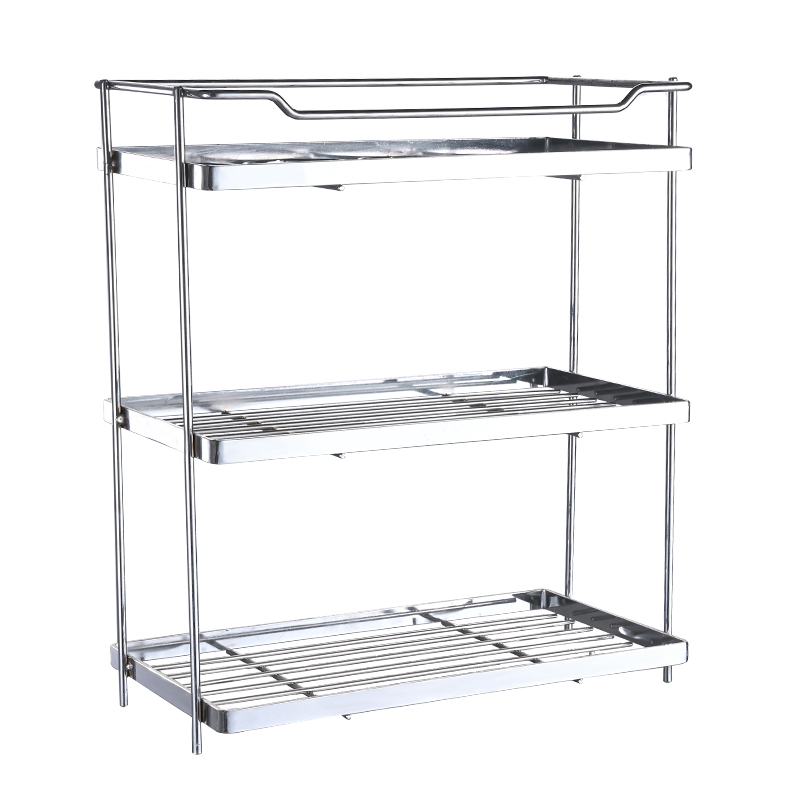
The Pillars of Functional Design
True functionality in a shower caddy addresses the actual habits of the user. This involves thoughtful organization, such as creating distinct tiers or compartments to separate large shampoo bottles from smaller items like razors or facial cleansers. Adjustability is another key pillar; shelves that can be repositioned or hooks that can be moved accommodate containers of various shapes and sizes, offering flexibility that static designs cannot. Furthermore, integrated features that solve specific problems—such as slotted shelves for drainage, attached soap dishes, or handles that double as towel bars—add layers of convenience. These design choices transform a storage unit from a passive holder into an active organizer that simplifies the bathing experience.
Innovating Within Spatial Constraints
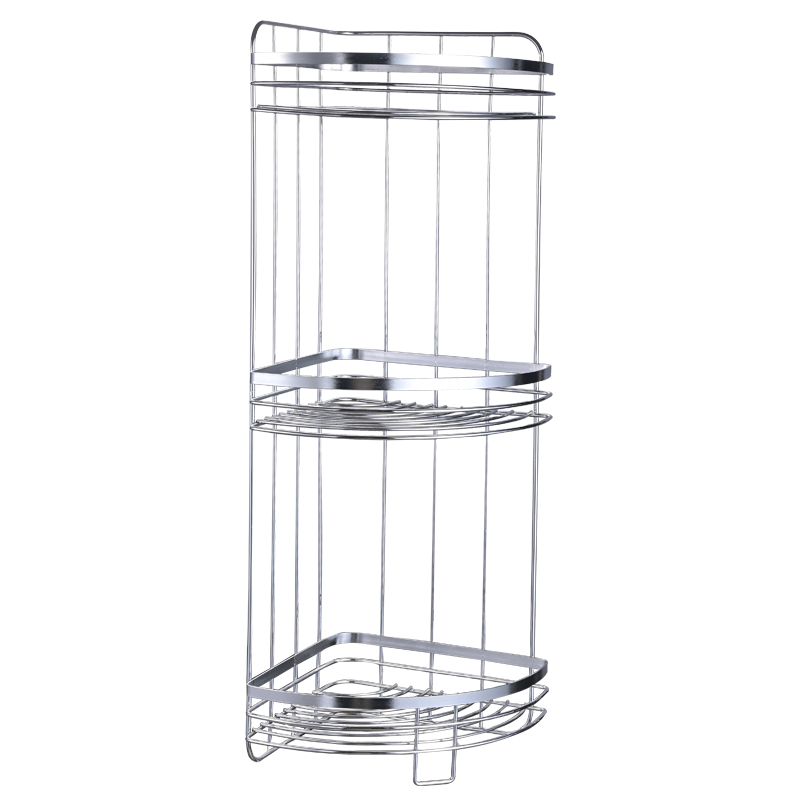
Space is often the primary constraint in bathroom design. An effective Shower Caddy Factory responds with creative solutions that turn limitations into advantages. Corner caddies are a classic example, utilizing an often-wasted area to provide substantial storage without intruding into the shower space. Designs that mount flush to the wall with a slim profile also preserve a sense of openness. For renters or those avoiding permanent modifications, solutions that employ strong suction cups or adhesive mounts offer secure, non-damaging installation. The concept even extends to freestanding units on wheels, which provide versatile storage that can be moved as needed, demonstrating that space-saving can also mean adaptability.
The Synergy of Form and Purpose
The most successful designs are those where space-saving and functionality are not separate features but are interwoven. A caddy that uses vertical space efficiently with multiple tiers also incorporates angled shelves for better visibility and access. A tension rod model designed for tight spaces might include pivoting baskets that can be turned for easier reach. The aim is to create a cohesive unit where every element serves a purpose, contributing to both storage capacity and ease of use. This requires a design process that starts with user scenarios and spatial challenges, prototyping various configurations to find a balance that feels intuitive and genuinely helpful.
Driving Value Through Thoughtful Engineering
For commercial buyers, investing in products with strong functional and spatial design translates into tangible value. Products that are easy to use and install generate positive consumer feedback and fewer customer service inquiries. Designs that cater to common pain points, like cluttered showers or limited square footage, have wider market appeal. Therefore, a factory’s investment in research and development for design is an investment in market relevance. By producing caddies that are not just containers but thoughtful organizers, a manufacturer provides its partners with products that stand out for their utility, fostering customer satisfaction and driving repeat purchases in a crowded marketplace.

-
Feedback
CONTACT US
If You Need More Help, Let Us Know.
How can we help you,
contact us anytime.
- Send us a message
-
Call us
+86-15924212045
Quick Links
Products
Contact Info
-
Phone
+86-13616790777
-
Add
No. 176, Xinxin Road, Qianhang Village, Gushan Town, Yongkang City, Zhejiang Province, China
Copyright © Yongkang Haisong Household Products Co., Ltd. All Rights Reserved.

OEM Iron Wire Metal Storage Products